

Shandong Orizon Biomaterials Co., Ltd. : Your Professional Outdoor Waste Bags Supplier!
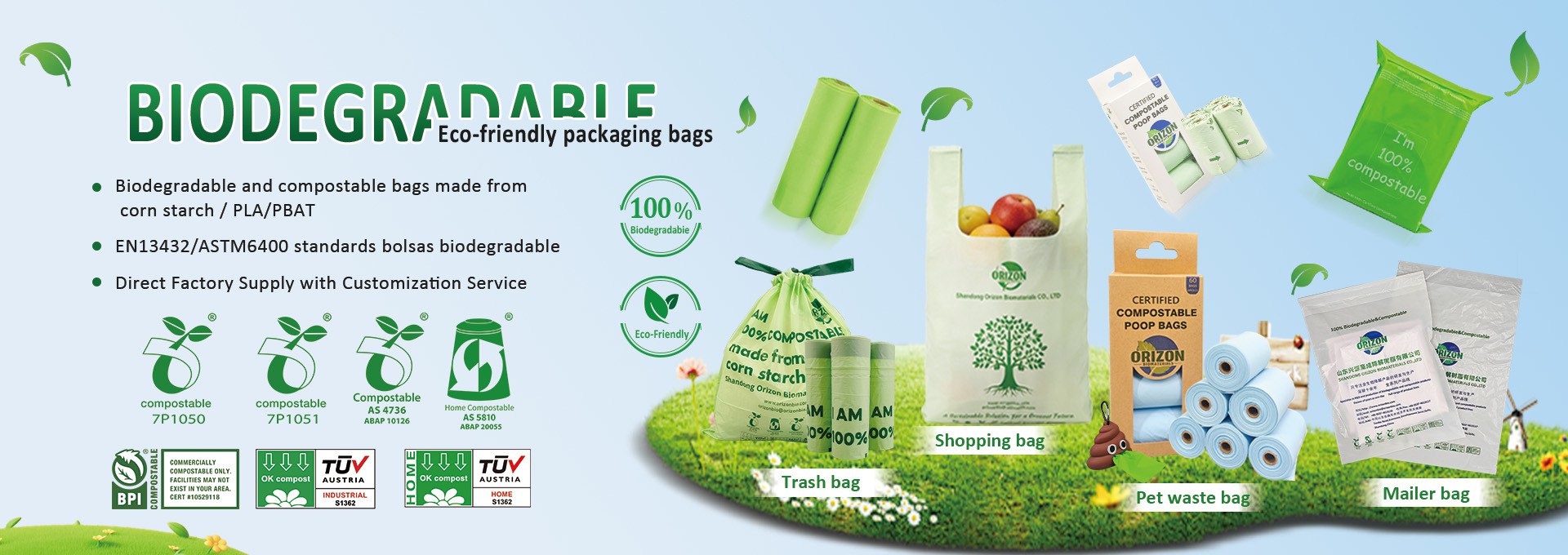
Our company was established in 2009 and is one of the earliest enterprises in China specializing in the research, development and production of biodegradable materials and products. With our deep understanding and rich experience in fully biodegradable materials, we have established a series of efficient and practical production lines that can produce a variety of fully biodegradable film products, such as shopping bags, garbage bags, mailing bags, etc. This product is based on our independently developed fully biodegradable modified resin.
Rich Product Range
We can produce a variety of fully biodegradable film products, such as shopping bags, garbage bags, mailing bags, etc. This product is based on our independently developed fully biodegradable modified resin.
Versatile
Our shopping bags and garbage bags can be widely used for garbage collection, storage and organization of items, gift packaging, etc., and what we produce does not cause any pollution to the environment.
Leading Service
We have many years of industry experience and a complete production management, quality supervision, sales service operation system. Whether you want to buy shopping bags or drawstring bags, just email your requirements and we can customize the product for you.
Quality Guaranteed
All our products have passed EU EN13432, Australian AS4736, American ASTM D6400 and other international standard certifications. And our products are widely exported to Europe, America, Oceania and other countries and regions.

Compostable bin liners, also known as eco-friendly garbage bags or compost bags, are a type of waste management solution designed to decompose naturally along with organic waste in composting facilities or home compost bins. These liners are typically made from plant-based materials such as cornstarch, sugarcane, or potato starch, which are biodegradable and break down into non-toxic components when exposed to microbial activity.

Biodegradable Natural Bin Liner
A biodegradable natural bin liner is a type of waste bag designed to decompose naturally in the environment after disposal. These liners are typically made from materials that can be broken down by microorganisms, such as compostable plastics, cornstarch-based bioplastics, or other plant-derived materials like paper or kraft paper.

Compostable Plastic Trash Bags
Compostable plastic trash bags are specially formulated bags that are designed to break down into natural elements in a composting environment. These bags are made from materials that are derived from renewable resources, such as corn starch, sugarcane, potato starch, or other plant-based sources, rather than conventional petroleum-based plastics.

Compostable garden waste bags are biodegradable containers specifically designed for collecting organic materials generated in gardens and yards. These bags are made from materials such as starch-based polymers, polyactic acid (PLA), or other compostable plastics that are derived from renewable resources like corn, sugarcane, or other plant starches. Unlike traditional plastic bags, compostable garden waste bags are engineered to break down when exposed to the conditions found in industrial composting facilities or actively managed home compost piles.

Eco Friendly Home Compostable Garbage Bags
Eco-friendly home compostable garbage bags are biodegradable bags intended for use in residential composting systems. These bags are made from materials that are designed to break down naturally when exposed to the specific conditions of a home compost setup, which typically includes the right balance of heat, moisture, and microbial activity.

Biodegradable Kitchen Trash Bags
Biodegradable kitchen trash bags are bags designed to decompose naturally when exposed to the appropriate environmental conditions, typically in a commercial composting facility or under certain conditions in a home composting system. These bags are made from materials such as compostable plastics, including polylactic acid (PLA), derived from renewable resources like corn starch or sugarcane, or from other plant-based materials like paper.

Home compostable garbage bags are specifically designed to break down in a home compost system. These bags are made from materials that are capable of decomposing under the typical conditions found in household compost piles, which include varying levels of heat, moisture, and the presence of microorganisms.

Environmentally friendly garbage bags are designed to have a lower impact on the environment compared to traditional plastic bags. Made from materials such as corn starch, sugarcane, or other plant-based materials that can break down naturally over time when exposed to the right conditions.

An eco garbage bag refers to a type of bag used for collecting and disposing of waste that is designed to be more environmentally friendly than traditional plastic bags. These bags are often made from materials that are either biodegradable, compostable, oxo-degradable, or recyclable.
What is Outdoor Waste Bags
Outdoor waste bags are specially designed to hold and transport garbage collected from outdoor areas such as gardens, parks, patios, and streets. These bags are usually made from durable materials that can withstand exposure to the elements, including UV radiation from the sun, wind, rain, and snow, without breaking down prematurely.
Features of Outdoor Waste Bags
Durability
Outdoor Waste Bags are usually made of solid materials, such as thick plastic or solid paper, to ensure that they can withstand various conditions and uses in the outdoor environment.
Waterproof
Considering the rain or wet conditions that may be encountered in the outdoor environment, outdoor garbage bags are usually waterproof to prevent the garbage from wetting in the bag and causing water leakage or pollution.
Large Capacity
Due to the large amount of garbage generated in the outdoor environment, outdoor garbage bags usually have a large capacity, which can load more garbage and reduce the frequency of changing bags.
Portability
Outdoor Waste Bags are designed to be easy to carry and use, such as bags with handles or straps, so as to collect and transport garbage in an outdoor environment.
Types of Outdoor Waste Bags
Trash Can Liners
Smaller than lawn and leaf bags, these are used to line outdoor trash cans. They come in various sizes to fit different can capacities and are made from materials like HDPE or low-density polyethylene (LDPE).
Compostable Outdoor Bags
These are made from biodegradable materials like cornstarch, sugarcane, or other plant-based ingredients. They are designed to break down in a commercial composting facility and are a good choice for eco-conscious users.
Recyclable Outdoor Bags
While not biodegradable, these bags are made from materials that can be processed and turned into new products at the end of their life. Look for the recycling symbol on the packaging.
Materials of Outdoor Waste Bags
Polyethylene (PE)
Polyethylene is a versatile and durable plastic commonly used in outdoor waste bags. It is resistant to moisture and tearing, making it suitable for outdoor use. Polyethylene bags can come in various thicknesses, with thicker bags offering increased strength and durability.
Polypropylene (PP)
Polypropylene is another type of plastic often used in outdoor waste bags. It is known for its strength, flexibility, and resistance to chemicals and abrasion. Polypropylene bags can be woven or non-woven and are suitable for heavy-duty applications.
Biodegradable Plastics
Outdoor waste bags are made from biodegradable plastics, such as PLA (polylactic acid) or other plant-based polymers. These materials break down over time, reducing environmental impact compared to traditional plastics. However, the degradation process may vary depending on environmental conditions.
Laminated Materials
Outdoor waste bags may feature laminated materials for added strength and water resistance. Lamination involves bonding multiple layers of material together, often using heat and pressure, to create a barrier against moisture and tearing.

How to Choose Outdoor Waste Bags
Durability
Look for waste bags made from durable materials such as polyethylene (PE) or polypropylene (PP) to withstand outdoor conditions and heavy loads without tearing or puncturing.
Weather Resistance
Opt for waste bags that are resistant to moisture, UV rays, and temperature fluctuations to maintain their integrity when exposed to outdoor elements.
Size and Capacity
Choose waste bags with sufficient capacity to accommodate the amount of waste generated in your outdoor space. Consider factors such as frequency of waste collection and the volume of waste produced.
Closure Mechanism
Select waste bags with secure closure mechanisms, such as drawstrings, zipper closures, or self-adhesive seals, to prevent spills and odors and keep pests out.
Recyclability and Biodegradability
Consider environmentally friendly options such as waste bags made from recycled materials or biodegradable plastics to reduce environmental impact and promote sustainability.
Strength and Tear Resistance
Ensure that the waste bags are strong enough to withstand heavy loads and sharp objects without tearing, especially if they will be used for yard waste or construction debris.
Cost-Effectiveness
Balance the quality and features of the waste bags with your budget to find an option that offers good value for money without compromising performance.
Applications of Outdoor Waste Bags
Residential Waste Collection
Outdoor waste bags are commonly used for curbside collection of household waste, including general trash, recyclables, yard waste, and organic materials. Homeowners typically use these bags to separate and contain different types of waste for convenient pickup by waste management services.
Commercial and Institutional Settings
Outdoor waste bags are used in commercial establishments, such as restaurants, retail stores, offices, schools, and healthcare facilities, for the collection and disposal of waste generated during daily operations. These bags may be used for general trash, recycling, or specialized waste streams, depending on the specific needs of the business or institution.
Event and Festival Waste Management
Outdoor waste bags play a crucial role in managing waste generated during outdoor events, festivals, concerts, and other large gatherings. Event organizers use these bags to provide temporary waste collection points and facilitate the proper disposal of litter and recyclables to maintain cleanliness and minimize environmental impact.
Construction and Demolition Sites
Outdoor waste bags are utilized at construction sites, renovation projects, and demolition sites to contain and transport construction debris, such as wood, metal, concrete, and drywall scraps. These heavy-duty bags are designed to withstand rough handling and harsh conditions while keeping the work area clean and organized.
Certificate


Frequently Asked Questions
Hot Tags: biodegradable garden waste bags, China biodegradable garden waste bags manufacturers, suppliers, factory, biodegradable small bin bags, tea shirts tea bags, organic trash bags, industrial refuse bags, biodegradable bags small, mini shopper bag