



Shandong Orizon Biomaterials Co., Ltd. : Your Professional Eco Garbage Bag Supplier!
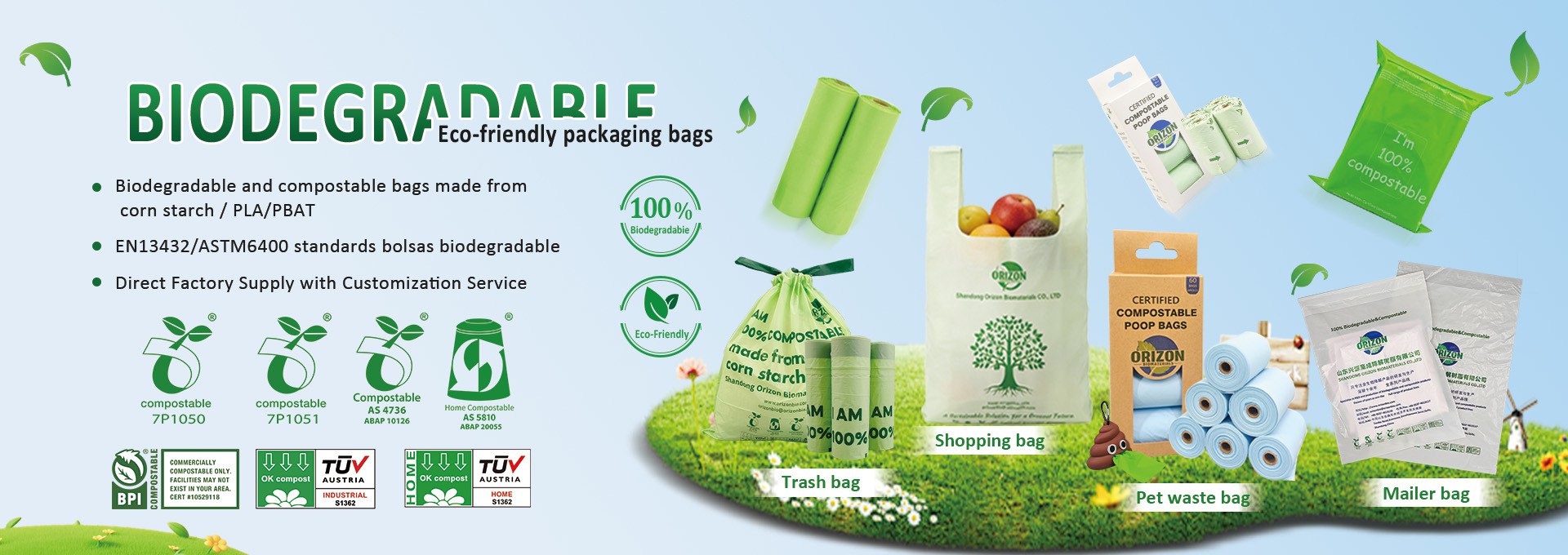
Our company was established in 2009 and is one of the earliest enterprises in China specializing in the research, development and production of biodegradable materials and products. With our deep understanding and rich experience in fully biodegradable materials, we have established a series of efficient and practical production lines that can produce a variety of fully biodegradable film products, such as shopping bags, garbage bags, mailing bags, etc. This product is based on our independently developed fully biodegradable modified resin.
Rich Product Range
We can produce a variety of fully biodegradable film products, such as shopping bags, garbage bags, mailing bags, etc. This product is based on our independently developed fully biodegradable modified resin.
Versatile
Our shopping bags and garbage bags can be widely used for garbage collection, storage and organization of items, gift packaging, etc., and what we produce does not cause any pollution to the environment.
Leading Service
We have many years of industry experience and a complete production management, quality supervision, sales service operation system. Whether you want to buy shopping bags or drawstring bags, just email your requirements and we can customize the product for you.
Quality Guaranteed
All our products have passed EU EN13432, Australian AS4736, American ASTM D6400 and other international standard certifications. And our products are widely exported to Europe, America, Oceania and other countries and regions.
Related Product Introduction

Garbage bags on roll, also known as trash bag dispensers or bin liners on a roll, are a convenient system designed for easy access and dispensing of garbage bags. The roll of bags is typically mounted on a dispenser that can be attached to the inside or outside of a kitchen cabinet, pantry door, garage wall, or any other suitable location.

100% Biodegradable Drawstring Bags For Garbage
100% biodegradable drawstring bags for garbage are environmentally friendly alternatives to traditional plastic bags. These bags are made from materials such as compostable polymers (like polylactic acid or PLA), oxo-degradable plastics, or even natural fibers such as cornstarch, sugarcane, or paper. They are designed to break down naturally into non-toxic components when exposed to microorganisms in a composting environment or soil.

Compostable garbage bags are specially designed bags made from biodegradable materials that can decompose into water, carbon dioxide, and biomass under specific composting conditions. These conditions are typically found in industrial composting facilities where high temperatures, moisture, and the presence of specific microorganisms facilitate the breakdown process.

Biodegradable cornstarch bags are eco-friendly bags made primarily from cornstarch, which is derived from the corn plant. Cornstarch is mixed with other biodegradable materials and binders to create a plastic-like substance that can be molded into different shapes, including garbage bags.

Biodegradable Trash Bags With Box
Biodegradable trash bags with a box refer to a packaging system where the biodegradable bags are pre-packaged in a cardboard box for convenience and ease of storage. This box often comes with a perforated opening at the top, allowing for individual bags to be easily torn out as needed.

Compostable Bin Liners With Box
Compostable bin liners with a box refer to a set of compostable trash bags that come packaged in a cardboard box. These bags are specifically designed to be environmentally friendly, breaking down naturally into non-toxic components when composted correctly. The box serves as a dispenser, allowing for easy access and organization.

Biodegradable Garden Waste Bags
Biodegradable garden waste bags are heavy-duty sacks made from materials that can be broken down by biological processes into simpler organic materials, such as water, carbon dioxide, and compost. These bags are specifically designed to hold garden waste, including grass clippings, leaves, branches, and other organic debris generated during gardening activities.

Outdoor waste bags are durable, large-capacity bags designed for collecting and disposing of various types of waste common to outdoor environments. These bags are typically made from materials that can withstand exposure to the elements, such as rain, wind, and UV rays, without breaking down prematurely.

Biodegradable waste bags are specially designed bags made from materials that can be broken down by biological processes into simpler organic materials, such as water, carbon dioxide, and biomass, when disposed of properly. These bags are an environmentally friendly alternative to traditional plastic bags, which can take hundreds of years to decompose and often release harmful substances into the environment in the process.
What is Eco Garbage Bag
Eco garbage bags are bags designed to minimize environmental impact compared to traditional plastic bags. They are typically made from sustainable or recycled materials, and some may be biodegradable or compostable. These bags aim to reduce pollution and the amount of plastic ending up in landfills or littering the environment.
Advantages of Eco Garbage Bag
EPI Additives
EPI additives can help speed up the breakdown of bags by 100's to 1000's times faster than conventional bags, when placed in an appropriate environment with the presence of moisture microorganisms & oxygen.
Handling Various Waste Types
The strength and durability of Eco Garbage Bag allow them to handle different types of waste, including sharp objects and heavy items. This robustness ensures that bags can withstand the rigors of daily waste disposal without tearing or leaking.
Keeping Unpleasant Smells at Bay
Eco Garbage Bag play a significant role in containing odors associated with decomposing waste. The bags act as a barrier, preventing unpleasant smells from permeating the surrounding environment and ensuring a more pleasant living or working space.
Minimizing Direct Contact With Waste
Using Eco Garbage Bag helps maintain hygiene by minimizing direct contact with waste. This is especially crucial in handling kitchen waste, where the use of bags prevents the spread of germs and reduces the need for constant cleaning of waste bins.
Biodegradable Bags:Made from materials that can be broken down by natural biological processes into simpler compounds, like methane, carbon dioxide, water, and biomass. They require industrial composting facilities to break down effectively.
Compostable Bags:These bags are similar to biodegradable bags but must meet specific standards that ensure they will break down into humus, a nutrient-rich component of soil, under industrial composting conditions. Some are also suitable for home composting, depending on the conditions.
Oxo-Degradable Bags:These bags are infused with additives that make them break down more quickly than regular plastic in the presence of oxygen. They are not always considered fully eco-friendly as the breakdown products can vary and may not be beneficial to the environment.
Recycled Plastic Bags:Made from post-consumer or post-industrial plastic waste that has been collected, processed, and reconstituted into new bags. These bags help reduce the demand for virgin plastic but are not biodegradable unless specifically treated to be so.
PLA (Polylactic Acid) Bags:Derived from renewable resources like corn starch or sugarcane, PLA bags are compostable under industrial conditions. They are a popular choice because they are made from a renewable resource rather than petroleum-based plastics.
How to Choose Eco Garbage Bag

Size and Capacity
The first consideration when choosing a garbage bag is its size and capacity. Garbage bags come in various sizes, ranging from small kitchen-sized bags to larger bags suitable for outdoor bins.
Strength and Durability
Garbage bags need to be strong and durable enough to hold the weight and contents without tearing or leaking. Consider the type of waste you typically dispose of and choose a garbage bag with the appropriate strength.
Material and Environmental Impact
Another crucial aspect to consider is the material of the garbage bag and its environmental impact. Traditional plastic bags made from non-biodegradable materials contribute to environmental pollution.
Odor Control
Unpleasant odors emanating from garbage can be a major concern. Look for garbage bags that have built-in odor control features such as scented or activated charcoal liners. These help to mask or neutralize odors, keeping your surroundings fresh and pleasant.
Cost and Value For Money
Consider the cost and value for money when selecting garbage bags. Cheaper options may seem appealing initially, but if they lack durability or strength, you may end up using more bags over time, increasing your overall expenditure. It is worth investing in quality garbage bags that meet your needs and offer long-term value.
Materials of Eco Garbage Bag
Cornstarch
Cornstarch is one of the most common materials used to make biodegradable trash bags. Cornstarch is a renewable resource that can be broken down naturally in the environment. When cornstarch bags are disposed of, they will decompose over time, leaving no harmful residue behind. These bags are also strong and durable, making them a practical choice for households and businesses alike.
Plant-Based Polymers
Biodegradable garbage bags made from plant-based polymers are another eco-friendly option. These polymers are made from natural materials such as sugarcane, potatoes, and soybeans. They can be broken down naturally in the environment and do not release harmful toxins or chemicals. Plant-based polymer bags are also strong and durable, making them a practical choice for a variety of purposes.
Recycled Materials
Biodegradable trash bags made from recycled materials are an excellent choice for those who want to reduce waste and recycle. These bags are made from recycled plastics and other materials and can decompose naturally over time. They are strong and durable and can be used for a variety of purposes, making them a practical choice for households and businesses alike. Using recycled materials to create biodegradable bags also helps reduce the amount of waste going to landfills, making them eco-friendly.
Paper
Paper bags are another option for those who want to use biodegradable garbage bags. While paper bags are less strong than other materials, they can still be a practical choice for lightweight waste such as paper and cardboard. Paper bags decompose naturally in the environment when disposed of, leaving no harmful residue behind. They are also a renewable resource that can be easily recycled.
Oxo-Biodegradable Plastic
Oxo-biodegradable plastic is a type of plastic that is designed to break down faster than traditional plastic. These bags are made with an additive that helps them to break down naturally in the environment. While they may be better than traditional plastic bags, oxo-biodegradable plastic bags are not as eco-friendly as other biodegradable options.
Applications of Eco Garbage Bag
Residential Use
Homeowners use compostable or biodegradable bags for curbside waste collection, organics/food scrap recycling programs, and general household trash. These bags help divert waste from landfills and support local composting initiatives.
Commercial Sector
Businesses, especially those in the food industry, use compostable bags for collecting food waste, reducing their carbon footprint and aligning with sustainability goals.
Hospitals and Healthcare Facilities
Biodegradable and water-soluble bags are used for medical waste, biohazardous materials, and single-use items to prevent contamination and ensure safe disposal.
Retail and Grocery Stores
Some stores provide biodegradable or recycled bags as an alternative to single-use plastic bags, encouraging customers to choose a more environmentally friendly option.
Certificate


Frequently Asked Questions
Hot Tags: environmentally garbage bags, China environmentally garbage bags manufacturers, suppliers, factory, mesh produce bags, t shirt ziplock bags, print bags, truly compostable dog poop bags, jute tote, greenline biodegradable bags


