


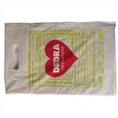

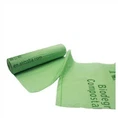
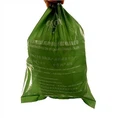
Hey there! I'm a supplier of Die Cut Bags, and today I'm going to share with you how to measure these nifty little bags. Die Cut Bags are super popular for all sorts of uses, whether it's for retail, packaging gifts, or just everyday storage. Measuring them correctly is crucial to make sure you get the right size for your needs.
Why Measuring Matters
Let's start by talking about why measuring die cut bags is so important. If you're a business owner, getting the right bag size can save you money. You don't want to buy bags that are too big and waste space, or too small and not fit your products. And if you're using them for personal use, well, you just want things to fit snugly and look good, right?
Measuring the Basics
Width
The first thing you'll want to measure is the width of the bag. This is the measurement from one side of the bag to the other, when the bag is laid flat and fully opened out. You can use a ruler or a measuring tape for this. Make sure you measure at the widest part of the bag, which is usually at the bottom. It's important to get an accurate measurement here, so take your time.
Length
Next up is the length. This is the measurement from the top of the bag to the bottom. Again, lay the bag flat and measure from the very top edge to the very bottom. Sometimes, the length can be a bit tricky because of the shape of the die cut. For example, if it's a bag with a curvy die cut at the top, make sure you're measuring along the straight part of the bag.
Gusset (if applicable)
Some die cut bags have a gusset, which is the expandable part at the sides or bottom of the bag. If your bag has a gusset, you'll want to measure it too. To measure the gusset, open the bag up and measure the distance from one side of the gusset to the other. This will give you an idea of how much the bag can expand to hold more items.
Measuring Handle Holes
If your die cut bags have handle holes, measuring them is also important. The size of the handle holes will determine how comfortable the bag is to carry. To measure the handle holes, use a small ruler or a caliper. Measure the diameter of the hole (the distance across the middle). Make sure the measurement is consistent on both sides if there are two handle holes.
Measuring for Specific Products
Clothing
If you're using die cut bags for clothing, you'll want to measure the length and width based on the size of the clothes. For example, if you're packaging t - shirts, measure the length of the shirt from the top of the collar to the bottom hem, and the width across the chest. Then, add a little extra room for easy insertion and removal of the shirt.
Food Items
When it comes to food items, you need to consider both the size and the shape. For something like a loaf of bread, measure the length, width, and height of the loaf. You might also want to think about the thickness of the bag material if it needs to protect the food. For small snacks, like cookies or chips, measure the size of the packaging or container the snacks come in.
Using Technology to Measure
In today's tech - savvy world, there are some cool tools that can help you measure die cut bags more accurately. There are apps on your smartphone that can turn your phone into a measuring device. You can also use laser measuring tools for larger bags or if you need extremely precise measurements.
Quality Control in Measuring
As a supplier of Die Cut Bags Die Cut Bags, we take quality control very seriously. Every batch of bags we produce goes through a rigorous measuring process. We use standardized measuring tools and trained staff to ensure that all the bags meet the specified dimensions. This not only guarantees that our customers get the right product but also helps us maintain a good reputation in the market.
Special Considerations for Compostable Bags
We also offer Compostable Die - cut Shopping Bags Compostable Die-cut Shopping Bag. When measuring these bags, there are a few extra things to keep in mind. Compostable bags are often made from different materials than traditional plastic bags, and these materials might stretch or shrink a bit more. So, we measure them multiple times during the manufacturing process to account for any changes in size due to temperature, humidity, or the compostable materials themselves.
Common Measuring Mistakes to Avoid
One common mistake is not measuring at the right place. As I mentioned earlier, make sure you're measuring at the widest and longest parts of the bag. Another mistake is not accounting for the thickness of the bag material. If you're using a thick bag, it might take up a little more space than you think. Also, don't forget to measure accurately. A small error in measurement can lead to a big problem when it comes to fitting your products in the bags.
Conclusion
Measuring die cut bags might seem like a simple task, but it's actually quite important. Whether you're a business owner looking to package your products or an individual who wants to organize their things, getting the measurement right is key. As a supplier, we're here to help you with any questions you might have about measuring our bags. If you're interested in purchasing Die Cut Bags or Compostable Die - cut Shopping Bags, don't hesitate to reach out for a procurement discussion. You can contact us to talk about your specific needs, and we'll work with you to find the perfect bag size and type for you.
Let's make sure your products are packaged in the best way possible!
Meghan


References
- Bag Manufacturing Handbook: A guide to the basics of bag production and measurement
- Industry Standards for Packaging Materials: Information on the correct way to measure different types of packaging bags