


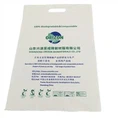


Are Biodegradable Bags Really Compostable?
As we all become more environmentally conscious, we are encouraged to use products that are eco-friendly. One such product is the biodegradable bag. These bags are marketed as a more sustainable option than traditional plastic bags. But are they really as environmentally friendly as they claim to be? In this article, we will delve into biodegradable bags and explore whether they are truly compostable.
What are Biodegradable Bags?
Biodegradable bags are made from materials that can break down naturally in the environment. Unlike traditional plastic bags that take hundreds of years to decompose, biodegradable bags can decompose in a relatively short amount of time, usually between 3-6 months. The materials used to make these bags vary but most commonly include plant starch, vegetable oils, and biodegradable polymers.
Some biodegradable bags are also referred to as compostable bags. Compostable bags are designed to break down in a composting environment, which is an environment that is created to facilitate the breaking down of organic matter. These bags should be able to fully break down within 90 days in a commercial composting facility.
Biodegradable vs. Compostable: Is there a Difference?
While the terms biodegradable and compostable are often used interchangeably, there is a notable difference between the two. Biodegradable refers to a material’s ability to break down into natural materials, such as carbon dioxide, water, and biomass, when exposed to the elements. Compostable, on the other hand, refers to a material’s ability to break down into a nutrient-rich soil-like material in a compost environment.
While all compostable materials are biodegradable, not all biodegradable materials are compostable. This is because compostable materials must not only break down but must also provide value as a soil amendment once they have decomposed. In contrast, biodegradable materials only need to break down into natural materials, regardless of any value they may offer to soil.
Are Biodegradable Bags Really Compostable?
While some biodegradable bags are marketed as compostable, not all biodegradable bags are actually compostable. In fact, many biodegradable bags are not able to fully break down in a composting environment and may still contribute to pollution.
The reason for this is that not all biodegradable bags are made from the same materials nor do they have the same characteristics. Some may break down quickly but may not be suitable for composting, while others may take a longer time to break down but will be suitable for the composting environment.
In general, biodegradable bags that are made from plant-based materials, such as vegetable starch, are more likely to be compostable. These materials are designed to break down in a composting environment and are ideal for consumers who want to reduce the amount of waste they produce. However, even plant-based materials may contain additives or chemicals that can interfere with the composting process, so it is important to look for bags that are certified compostable.
What to Look for in a Compostable Bag
When choosing a compostable bag, there are a few things to look for to ensure you are getting a truly compostable product:
1. Look for certification: There are several certifications that indicate a product is truly compostable. The most common certifications include the Biodegradable Products Institute (BPI) and the Compostable Products Certification (CPC).
2. Check the label: The label should clearly state that the product is compostable and include the certification logo. It is also important to read the product description carefully to ensure the bag is made from suitable materials.
3. Look for the ASTM D6400 certification: This certification ensures that the product meets the standards for compostability in an industrial facility.
Can Biodegradable Bags be Recycled?
While biodegradable bags are designed to break down in the environment, they are not necessarily designed to be recycled. In fact, biodegradable bags can actually contaminate the recycling stream if they are misidentified as recyclable.
When it comes to recycling, it is important to follow the guidelines set by your local recycling center. In general, biodegradable bags should not be placed in the recycling bin unless you are certain that they can be recycled. This may include bags that are specifically labeled as recyclable or those that are made from a material that is accepted by your local recycling center.
Conclusion
In conclusion, biodegradable bags can be an environmentally friendly option if they are truly compostable. While the terms biodegradable and compostable are often used interchangeably, it is important to understand the distinction between the two. When choosing a compostable bag, look for certification and read the label carefully to ensure you are getting a product that is suitable for composting. Finally, remember that biodegradable bags are not necessarily recyclable and should be disposed of properly to avoid contaminating the recycling stream.