




Are compostable mailers worth it?
In recent years, the increasing concern over environmental issues has led to a growing interest in sustainable and eco-friendly alternatives. One such alternative that has gained popularity is compostable mailers. These mailers are designed to break down naturally in composting conditions, reducing waste and minimizing environmental impact. However, the question arises: are compostable mailers truly worth it? Let''s delve deeper into the topic and explore the pros and cons of using compostable mailers.
What are compostable mailers?
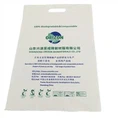
Compostable mailers are packaging materials, typically made from biodegradable plant-based materials such as cornstarch, PLA (polylactic acid), or PBAT (polybutyrate adipate terephthalate). Unlike traditional plastic mailers, which take hundreds of years to break down, compostable mailers are specifically engineered to decompose within a specific period, usually under industrial composting conditions.
The benefits of compostable mailers
One of the primary advantages of compostable mailers is their reduced impact on the environment. These environmentally-friendly alternatives significantly decrease waste production and lessen the reliance on non-renewable resources. Additionally, compostable mailers produce fewer carbon emissions during their manufacturing process compared to conventional plastic mailers.
Compostable mailers also offer benefits in terms of reducing landfill waste. Because they break down naturally, they do not contribute to the accumulation of non-degradable materials in landfills. This, in turn, helps in preventing soil and water pollution that often occurs due to plastic waste.
Furthermore, the use of compostable mailers can contribute to the promotion of sustainable practices and raise awareness about the need for responsible consumption. By choosing compostable mailers, businesses and individuals can demonstrate their commitment to environmentally-friendly choices, influencing others to follow suit.
The potential drawbacks of compostable mailers
While compostable mailers have their advantages, there are some potential drawbacks to consider as well. One significant concern is the misconception surrounding compostable materials. Many people mistakenly believe that compostable items can simply be thrown into a backyard compost pile and will decompose naturally. However, most compostable mailers require specialized composting conditions, typically only achievable in industrial composting facilities. Without these specific conditions, compostable mailers may not break down as intended, defeating the purpose of using them in the first place.
Another concern relates to the energy and resources required for the production of compostable mailers. While they may have a smaller carbon footprint than traditional plastic mailers, the manufacturing process for compostable mailers still requires energy and resources. The production of plant-based materials used in these mailers often involves agricultural processes that may have their own environmental impacts, such as intensive water usage and the use of fertilizers.
Additionally, the higher cost of compostable mailers compared to traditional plastic mailers is often mentioned as a potential drawback. The materials used in compostable mailers are generally more expensive to produce, making them costlier for businesses and consumers. This price difference may deter some individuals and businesses from adopting compostable mailers, especially if they do not perceive any direct benefits from their use.
Factors to consider when deciding if compostable mailers are worth it
When evaluating the worthiness of compostable mailers, several factors come into play. Firstly, it is essential to assess the disposal infrastructure available in your area. If you have access to an industrial composting facility that accepts compostable mailers, then choosing these mailers can be a viable option. However, if such facilities are not readily available, it may be better to opt for reusable packaging or explore alternatives with a lesser environmental impact.
Another crucial factor is the intended use of the mailers. If the mailers are being used for shipping goods that are already environmentally-friendly, such as sustainable products, the use of compostable mailers aligns well with the overall ethos and values. On the other hand, for goods with a potentially high environmental impact, it may be worthwhile to prioritize reducing the overall impact rather than focusing solely on the mailer.
Furthermore, the willingness of consumers to pay a premium for compostable mailers is a significant consideration. Understanding the market and consumer sentiment towards sustainable packaging can help determine if the higher cost of compostable mailers is justifiable for a business. Similarly, individuals should assess their budget and willingness to spend more on eco-friendly packaging.
Conclusion
Compostable mailers have the potential to be a valuable and eco-friendly alternative to traditional plastic mailers. They offer numerous environmental benefits, such as reduced waste and decreased carbon emissions. However, it is essential to consider the specific composting requirements and infrastructure available in your area, the overall environmental impact of the packaging, and the cost implications. Ultimately, the decision of whether compostable mailers are worth it depends on individual circumstances and priorities. It is crucial to weigh the pros and cons and make an informed choice to contribute positively towards a sustainable future.