


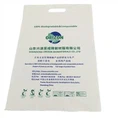


Biodegradable and compostable bags are eco-friendly alternatives to conventional plastic bags. These bags are becoming increasingly popular as people become more aware of the impact that plastic bags have on our environment. In this article, we will discuss what biodegradable and compostable bags are, how they work, and the benefits they offer.

What are biodegradable and compostable bags?
Biodegradable bags are made from materials that can break down naturally by bacteria or other microorganisms. These materials can include cornstarch, potato starch, or other plant-based materials that can decompose when exposed to sunlight, heat, or moisture.
Compostable bags, on the other hand, are made from materials that can break down in a controlled environment, such as a compost pile. These bags are made from plant-based materials such as cornstarch, wheat, or other natural materials that break down into compost over time.
How do they work?
Biodegradable and compostable bags work by breaking down the material into smaller pieces using natural processes such as exposure to heat, light, and moisture. When the bag is exposed to these conditions, microorganisms such as bacteria, fungi, and algae break down the bag into its natural compounds.
Compostable bags, which are designed to be composted, require a controlled environment such as a compost pile or bin in order to break down properly. They will break down in a matter of weeks when exposed to the proper conditions.

What are the benefits of biodegradable and compostable bags?
Switching to biodegradable and compostable bags has numerous benefits for the environment. Here are just a few:
1. Reduce waste: Biodegradable and compostable bags reduce the amount of waste that ends up in landfills. Plastic bags can take up to 400 years to break down, and millions of them end up in landfills each year.
2. Reduce greenhouse gas emissions: Biodegradable and compostable bags produce fewer greenhouse gas emissions compared to conventional plastic bags. As these bags break down, they release organic compounds that do not contribute to climate change.
3. Better for wildlife: Plastic bags can often end up in the ocean where they can harm marine wildlife. Biodegradable and compostable bags are less harmful to wildlife and ecosystems.
4. Versatility: Biodegradable and compostable bags come in a range of sizes and styles. They can be used for anything from food packaging to shopping bags.
Conclusion
Biodegradable and compostable bags offer a great alternative to conventional plastic bags. By using these eco-friendly alternatives, we can reduce waste, and greenhouse gas emissions, and protect wildlife and the environment. So next time you go shopping or need to dispose of waste, consider using biodegradable or compostable bags and do your part to protect the environment.