


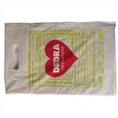

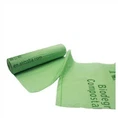
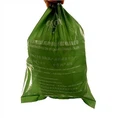
As a supplier of biodegradable bin liners, I often get asked whether these eco - friendly alternatives are easy to tie off. This question isn't just a trivial one; it has significant implications for both the end - users and the overall perception of biodegradable bin liners in the market.
The Composition of Biodegradable Bin Liners
To understand how easy it is to tie off biodegradable bin liners, we first need to look at their composition. Biodegradable bin liners are typically made from natural polymers such as polylactic acid (PLA), which is derived from renewable resources like corn starch or sugarcane. These materials are designed to break down over time when exposed to the right environmental conditions, unlike traditional plastic bin liners that can take hundreds of years to decompose.
The unique properties of these natural polymers affect the physical characteristics of the bin liners. They are often thinner and more flexible compared to their plastic counterparts. This flexibility can be a double - edged sword when it comes to tying off the liners. On one hand, it allows for greater maneuverability, making it easier to gather the edges of the liner together. On the other hand, the thinness can sometimes make the liner more prone to tearing during the tying process.
Ease of Gathering the Edges
One of the first steps in tying off a bin liner is gathering the edges together. In my experience, biodegradable bin liners are generally quite easy to gather. Their flexibility enables users to quickly and smoothly pull the edges of the liner up and over the contents of the bin. This is especially true for smaller bins, where the liner can be easily manipulated by hand.
For larger bins, such as those used in commercial settings, the process can still be relatively straightforward. However, it may require a bit more effort due to the increased volume of waste. In some cases, users may find it helpful to use a tool, like a pair of tongs or a grabber, to reach the edges of the liner more easily.
Tying Techniques
Once the edges of the biodegradable bin liner are gathered, the next step is to tie a knot. There are several tying techniques that can be used, and the ease of tying often depends on the specific technique chosen.
The simple over - hand knot is one of the most commonly used techniques. For biodegradable bin liners, this knot is usually quite easy to tie. The flexibility of the liner allows it to be twisted and looped without much resistance. However, because of the thinness of the liner, there is a risk of the knot coming undone if it is not tightened properly.
Another popular technique is the double - knot. This knot provides a more secure hold, but it can be a bit more challenging to tie, especially for those who are not experienced in tying knots. With biodegradable bin liners, the risk of tearing during the double - knotting process is slightly higher due to the additional tension applied to the liner.
Some users also prefer to use a cinch - style closure. This involves creating a loop at the top of the gathered liner and then pulling a string or cord through the loop to tighten it. Cinch - style closures can be very effective for biodegradable bin liners, as they distribute the tension more evenly across the liner and reduce the risk of tearing.
Comparing with Traditional Plastic Bin Liners
When comparing biodegradable bin liners to traditional plastic bin liners in terms of tying off, there are some notable differences. Traditional plastic bin liners are often thicker and more rigid, which can make them a bit more difficult to gather at first. However, once the edges are gathered, they are generally easier to tie securely because they are less likely to tear.
On the other hand, biodegradable bin liners are more environmentally friendly, but their thinness and flexibility can present some challenges during the tying process. However, with the right techniques and a bit of practice, users can achieve a secure tie just as effectively as with traditional plastic bin liners.
Special Considerations for Compostable Bin Liners
If you are using Compostable Bin Liners, there are some additional considerations. Compostable bin liners are designed to break down in a composting environment, and they may have different properties compared to regular biodegradable bin liners.
These liners are often made from even more natural and fragile materials, which can make them slightly more difficult to tie off. However, they are also more suitable for use with food waste, as they can be composted along with the waste. For those who are looking for a more sustainable option for disposing of food waste, Compostable Food Waste Bags are a great choice.
Impact of Waste Type
The type of waste in the bin can also affect how easy it is to tie off a biodegradable bin liner. For dry waste, such as paper, cardboard, and plastics, the liner is less likely to tear during the tying process. The dry waste provides a stable base for the liner, and the edges can be easily gathered and tied.
However, for wet waste, such as food scraps or liquids, the process can be more challenging. The moisture can make the liner slippery, making it more difficult to grip and tie. In addition, the weight of the wet waste can put more stress on the liner, increasing the risk of tearing. To mitigate these issues, it is recommended to use a thicker biodegradable bin liner or to double - line the bin with two liners.
Commercial and Industrial Use
In commercial and industrial settings, the ease of tying off biodegradable bin liners becomes even more important. These settings often generate large volumes of waste, and the efficiency of the waste disposal process can have a significant impact on the bottom line.
For businesses that are committed to sustainability, using biodegradable bin liners is a great way to reduce their environmental footprint. However, they need to ensure that the liners are easy to tie off to avoid any delays or complications in the waste collection process. In some cases, businesses may choose to use Garbage Bags On Roll, which can be more convenient for high - volume waste disposal.
Conclusion
In conclusion, biodegradable bin liners are generally easy to tie off, but there are some factors that can affect the ease of the process. Their flexibility makes them easy to gather, but their thinness can sometimes pose challenges during the tying process. With the right techniques and considerations, users can achieve a secure tie and enjoy the environmental benefits of using biodegradable bin liners.
If you are interested in purchasing biodegradable bin liners for your home, business, or industrial use, I encourage you to contact us to discuss your specific needs. We offer a wide range of biodegradable bin liners, including compostable options, and can provide you with more information on their features and benefits.


References
- Smith, J. (2020). The Future of Biodegradable Plastics. Journal of Environmental Science and Technology.
- Johnson, A. (2019). Comparing the Properties of Biodegradable and Traditional Plastic Bin Liners. Waste Management Research.
- Brown, C. (2021). Tying Techniques for Bin Liners: A Comprehensive Guide. Packaging and Disposal Magazine.