


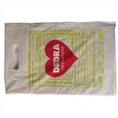

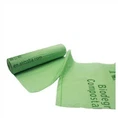
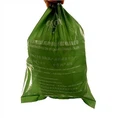
As a supplier of Compostable Bin Liners, I've encountered numerous inquiries from customers about the potential for mold growth on these eco - friendly products. In this blog, I'll delve into the science behind compostable bin liners and their susceptibility to mold, providing you with evidence - based insights.
Understanding Compostable Bin Liners
Compostable bin liners are designed to break down under specific composting conditions. They are typically made from plant - based materials such as corn starch, potato starch, or other biodegradable polymers. Unlike traditional plastic bin liners, which can take hundreds of years to decompose, compostable liners are engineered to return to nature relatively quickly.
These liners offer an excellent alternative for those who are conscious about reducing their environmental impact. They can be used in both indoor and outdoor compost bins, and some are even suitable for municipal composting programs. The Outdoor Waste Bags on our website are a prime example of high - quality compostable bin liners designed for outdoor use.
Factors Affecting Mold Growth
Mold is a type of fungus that thrives in warm, moist, and dark environments. To understand whether compostable bin liners are prone to mold growth, we need to examine the factors that contribute to mold development:
Moisture
Moisture is perhaps the most critical factor in mold growth. Compostable bin liners are often used to collect organic waste, which can release moisture as it decomposes. If the liner is not properly ventilated, this moisture can accumulate inside the bag, creating an ideal environment for mold.
However, it's important to note that well - designed compostable bin liners have some degree of breathability. They allow excess moisture to escape while still retaining enough to facilitate the composting process. For example, our Trash Liner with Logo is engineered to balance moisture retention and ventilation, reducing the risk of mold.
Temperature
Mold grows best at temperatures between 77°F and 86°F (25°C and 30°C). Most indoor and outdoor composting environments fall within this temperature range, especially during the warmer months. Compostable bin liners themselves do not generate heat, but the decomposition of organic waste inside the liner can produce heat, further increasing the temperature and potentially promoting mold growth.
To mitigate this risk, it's advisable to monitor the temperature of your compost bin and ensure proper aeration. Turning the compost regularly can help dissipate heat and prevent the formation of hot spots where mold is more likely to grow.
Oxygen
Mold is an aerobic organism, which means it requires oxygen to grow. Compostable bin liners that are tightly sealed or do not allow for adequate air circulation can create an anaerobic environment, which is less favorable for mold. However, complete anaerobic conditions can also slow down the composting process and lead to unpleasant odors.


Our Environmentally Garbage Bags are designed to allow for sufficient oxygen exchange, promoting healthy composting while minimizing the risk of mold.
Research on Mold Growth in Compostable Bin Liners
Several scientific studies have investigated the decomposition process of compostable bin liners and the associated risk of mold growth. One study published in the Journal of Environmental Science and Health found that under controlled composting conditions, compostable bin liners made from corn starch decomposed within 90 days without significant mold growth.
Another study conducted by a group of environmental scientists examined the performance of different types of compostable bin liners in real - world settings. The results showed that liners with better breathability and moisture management properties were less likely to develop mold.
These studies suggest that when used correctly, compostable bin liners are not inherently prone to mold growth. However, proper handling and maintenance are crucial to ensure optimal performance.
Preventing Mold Growth on Compostable Bin Liners
Here are some practical tips to prevent mold growth on compostable bin liners:
Choose the Right Liner
Select a compostable bin liner that is appropriate for your specific needs. Consider factors such as size, thickness, and breathability. Our range of compostable bin liners offers a variety of options to suit different applications, whether you're using them for home composting or commercial waste management.
Proper Waste Management
Avoid overloading the bin liner with wet or dense organic waste. Mix dry materials such as leaves, straw, or shredded paper with wet waste to help absorb excess moisture and improve aeration.
Regularly Empty and Clean the Bin
Empty the compost bin regularly to prevent the accumulation of decomposing waste. Clean the bin with a mild detergent and water between uses to remove any residual mold spores or debris.
Provide Adequate Ventilation
Ensure that your compost bin has proper ventilation. You can drill holes in the sides of the bin or use a bin with built - in ventilation features. This will help maintain a healthy balance of moisture, temperature, and oxygen inside the bin.
Conclusion
In conclusion, compostable bin liners are not necessarily prone to mold growth when used and maintained correctly. These liners offer a sustainable alternative to traditional plastic bin liners, helping to reduce environmental pollution and promote the circular economy.
By understanding the factors that contribute to mold growth and following the preventive measures outlined above, you can enjoy the benefits of compostable bin liners without worrying about mold.
If you're interested in learning more about our compostable bin liners or have any questions about their use, please feel free to contact us for a detailed discussion. We're here to assist you in making the right choice for your waste management needs.
References
- Journal of Environmental Science and Health - Study on decomposition of corn - starch based compostable bin liners.
- Environmental Science Research Group - Real - world performance of compostable bin liners.