



As a supplier of Compostable Waste Bags, I often encounter a variety of questions from customers. One of the most frequently asked questions is whether compostable waste bags are odor - absorbing. In this blog, I will delve into this topic and provide you with a comprehensive answer based on scientific knowledge and practical experience.
Understanding Compostable Waste Bags
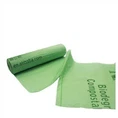
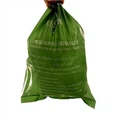
First, let's clarify what compostable waste bags are. Compostable waste bags, such as those available at Compostable Waste Bags, Compost Biodegradable Garbage Bags, and Compostable Plastic Trash Bags, are designed to break down under specific composting conditions. These bags are typically made from natural materials like plant starches, cellulose, or other bio - based polymers. Unlike traditional plastic bags that can take hundreds of years to decompose, compostable waste bags can turn into organic matter within a relatively short period under the right composting environment.


The Mechanism of Odor Generation
Before discussing whether compostable waste bags can absorb odors, it's important to understand how odors are generated. When organic waste is placed in a bag, microorganisms start to break down the waste material. During this decomposition process, various gases are produced, such as methane, hydrogen sulfide, and ammonia. These gases are the main sources of unpleasant odors. The intensity of the odor depends on several factors, including the type of waste, the amount of waste, the temperature, and the presence of oxygen.
Can Compostable Waste Bags Absorb Odors?
The short answer is that compostable waste bags are not inherently odor - absorbing in the same way as some specialized odor - absorbing products. However, they do have some properties that can indirectly affect odor perception.
1. Permeability
Compostable waste bags are often more permeable than traditional plastic bags. This means that air can pass through the bag to some extent. On one hand, this permeability allows oxygen to enter the bag, which can promote aerobic decomposition of the waste. Aerobic decomposition is generally less smelly than anaerobic decomposition (which occurs in the absence of oxygen). When there is enough oxygen, the waste breaks down more efficiently, and fewer foul - smelling gases are produced.
For example, if you put food waste in a traditional plastic bag, the lack of oxygen can lead to anaerobic conditions, causing the waste to start rotting and producing strong odors. In contrast, a compostable waste bag allows some air exchange, reducing the likelihood of anaerobic decomposition and thus potentially reducing the odor.
2. Material Composition
The materials used in compostable waste bags can also play a role. Some compostable materials may have a natural ability to interact with certain odor - causing molecules. For instance, some plant - based polymers may have a slight affinity for certain volatile organic compounds (VOCs) that contribute to odors. However, this effect is relatively limited compared to dedicated odor - absorbing materials.
Factors Affecting the Odor - Reducing Ability of Compostable Waste Bags
1. Type of Waste
The type of waste placed in the bag has a significant impact. For example, meat and dairy products tend to produce stronger odors than fruits and vegetables. Compostable waste bags may have a more noticeable effect on reducing odors from less - pungent waste like fruits and vegetables.
2. Bag Thickness
The thickness of the compostable waste bag can affect its permeability and, consequently, its impact on odor. A thinner bag may allow more air exchange, which can be beneficial for odor reduction. However, a very thin bag may also be more prone to tearing, which can lead to direct exposure of the waste and increased odor.
3. Composting Conditions
If the compostable waste bag is used in a proper composting system, the overall odor situation can be better managed. A well - maintained compost pile with the right balance of carbon and nitrogen, proper aeration, and appropriate moisture levels can break down the waste and the bag more effectively, reducing odors.
Comparing with Other Odor - Control Methods
Compostable waste bags are not a substitute for dedicated odor - control methods. There are several other ways to control odors when dealing with waste:
1. Odor - Absorbing Products
There are many commercial odor - absorbing products available on the market, such as activated carbon filters, baking soda, and essential oil - based sprays. These products are specifically designed to adsorb or neutralize odor - causing molecules. Using a compostable waste bag in combination with an odor - absorbing product can provide better odor control.
2. Proper Waste Management
Proper waste management practices are crucial for odor control. This includes regularly emptying the waste bag, keeping the waste area clean, and separating different types of waste. For example, separating food waste from non - food waste can help reduce the overall odor.
Practical Tips for Using Compostable Waste Bags to Minimize Odors
1. Choose the Right Size
Select a compostable waste bag that is appropriate for the amount of waste you generate. An oversized bag may allow too much air to enter, which can slow down the decomposition process. On the other hand, an undersized bag may cause the waste to be over - packed, leading to anaerobic conditions and increased odor.
2. Combine with Odor - Absorbing Agents
As mentioned earlier, you can place an odor - absorbing agent, such as a small sachet of activated carbon, inside the compostable waste bag. This can enhance the odor - control effect.
3. Store the Waste Properly
If you cannot empty the waste bag immediately, store it in a cool place. Lower temperatures can slow down the decomposition process and reduce the production of odorous gases.
Conclusion
In conclusion, compostable waste bags are not primary odor - absorbing products, but they can have some positive effects on odor management through their permeability and material properties. They are an environmentally friendly alternative to traditional plastic bags, and when used in combination with proper waste management practices and other odor - control methods, they can help reduce the unpleasant odors associated with waste.
If you are interested in purchasing high - quality compostable waste bags for your home, business, or composting project, please feel free to contact us for more information and to discuss your specific needs. We are committed to providing you with the best products and solutions.
References
- "The Science of Composting" by Daniel D. Steffen
- "Waste Management and Disposal" by Paul A. Vesilind and Francis L. Cannon
- Research papers on compostable materials and waste decomposition from academic journals such as "Waste Management" and "Journal of Environmental Management"