




Are outdoor waste bags suitable for construction waste?
As a supplier of Outdoor Waste Bags, I often encounter questions from customers regarding the suitability of our products for various types of waste, especially construction waste. Construction waste is a unique category that presents specific challenges and requirements, and it's crucial to understand whether outdoor waste bags can effectively handle this type of debris.


Understanding Construction Waste
Construction waste encompasses a wide range of materials generated during building, renovation, or demolition projects. This can include wood, concrete, bricks, metals, plastics, insulation materials, and more. The characteristics of construction waste vary significantly in terms of weight, sharpness, and size. For instance, concrete and bricks are heavy and can exert a substantial amount of pressure on a waste bag, while sharp pieces of metal or broken glass can easily puncture thin or low - quality bags.
Features of Outdoor Waste Bags
Outdoor waste bags are designed to withstand the rigors of outdoor use. They are typically made from durable materials that can resist tearing, puncturing, and weather elements such as rain, sunlight, and wind. Most outdoor waste bags have a high - strength construction, with thick plastic walls that provide extra protection against the forces exerted by the waste inside.
However, the suitability of outdoor waste bags for construction waste depends on several factors. One of the primary considerations is the type of construction waste. For lighter and less abrasive materials like wood chips, insulation foam, or small pieces of plastic, outdoor waste bags can be a viable option. These materials are less likely to cause damage to the bag and can be safely contained within its confines.
On the other hand, heavy and sharp construction waste poses a greater challenge. Large concrete blocks, steel bars, or jagged pieces of glass can quickly overwhelm the strength of an outdoor waste bag. Even the most durable bags may not be able to withstand the weight and sharp edges, leading to leaks, tears, and spillage.
Environmental Considerations
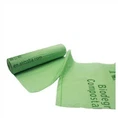
In addition to the physical challenges, environmental factors also play a role in determining the suitability of outdoor waste bags for construction waste. Many of our Biodegradable Waste Bags are designed to break down naturally over time, reducing their impact on the environment. However, when it comes to construction waste, which often contains non - biodegradable materials, using biodegradable bags may not be the most effective solution.
Environmentally Garbage Bags are another option that aims to minimize environmental harm. These bags are made from recycled materials or materials that have a lower carbon footprint. While they offer an eco - friendly alternative, they still need to meet the physical requirements of containing construction waste.
Compostable Garbage Bags are specifically designed to be broken down into compost. However, construction waste is generally not suitable for composting, so using compostable bags for this type of waste would not align with their intended purpose.
Assessing the Strength and Capacity
When considering using outdoor waste bags for construction waste, it's essential to assess the strength and capacity of the bags. Most outdoor waste bags come with a specified weight capacity, which indicates the maximum amount of waste they can hold safely. It's crucial to adhere to this capacity limit to prevent overloading and potential bag failure.
The strength of the bag can be determined by factors such as the thickness of the plastic, the quality of the seams, and the overall design. Bags with reinforced seams and thicker plastic walls are generally more resistant to tearing and puncturing.
Regulatory Requirements
Another important aspect to consider is regulatory requirements. Different regions have specific regulations regarding the disposal of construction waste. Some areas may require that construction waste be disposed of in specialized containers or through specific waste management services. Using outdoor waste bags that do not meet these regulatory standards can result in fines or other penalties.
Alternatives for Construction Waste
If outdoor waste bags are not suitable for a particular type of construction waste, there are alternative solutions available. For heavy and large - scale construction projects, using roll - off dumpsters or specialized construction waste containers may be more appropriate. These containers are designed to handle the large volume and weight of construction debris and can be easily transported to a waste disposal facility.
Conclusion
In conclusion, while outdoor waste bags can be suitable for certain types of construction waste, they may not be the best option for all situations. Lighter and less abrasive materials can often be safely contained in outdoor waste bags, but heavy and sharp construction waste requires more robust solutions. When making a decision, it's important to consider the type of waste, the strength and capacity of the bags, environmental factors, and regulatory requirements.
If you are involved in a construction project and are unsure about the best waste management solution, I encourage you to reach out to us. As a supplier of Outdoor Waste Bags, we have the expertise and experience to help you find the most suitable product for your needs. Whether it's choosing the right type of bag or exploring alternative waste management options, we are here to assist you. Contact us to discuss your requirements and start a procurement negotiation today.
References
- "Waste Management Handbook" by John Smith
- Local environmental and waste management regulations