



Are there any chemicals in compostable waste bags?
As a supplier of compostable waste bags, I often encounter questions from customers about the composition of these bags, especially regarding the presence of chemicals. In this blog post, I'll delve into this topic to provide you with a clear understanding of what goes into compostable waste bags.
First, let's define what compostable waste bags are. Compostable waste bags are designed to break down naturally in a composting environment, leaving behind no harmful residues. They are an eco - friendly alternative to traditional plastic waste bags, which can take hundreds of years to decompose and often end up polluting the environment.
Now, to address the question of chemicals. It's important to note that all materials, including those used in compostable waste bags, are made up of chemicals. However, the key is to distinguish between harmful and harmless chemicals.
The primary materials used in compostable waste bags are typically plant - based polymers. For example, polylactic acid (PLA) is a common material. PLA is derived from renewable resources such as corn starch or sugarcane. During the production process, the starch is fermented to produce lactic acid, which is then polymerized to form PLA. This process involves chemical reactions, but the resulting polymer is non - toxic and can be broken down by microorganisms in a composting environment.
Another material used is polyhydroxyalkanoates (PHA). PHAs are synthesized by microorganisms from renewable carbon sources. They are biodegradable and have excellent mechanical properties, making them suitable for waste bag production. Similar to PLA, the production of PHAs involves chemical processes at the microbial and industrial levels, but the end - product is environmentally friendly.
In addition to these polymers, compostable waste bags may also contain additives. These additives are used to improve the performance of the bags, such as enhancing their strength, flexibility, and resistance to moisture. However, the additives used in compostable waste bags are carefully selected to ensure they are also compostable. For example, some natural waxes or plant - based oils may be used as lubricants or moisture - resistant agents. These substances are non - toxic and will break down along with the rest of the bag in a composting environment.
It's also worth mentioning that compostable waste bags are subject to strict standards and certifications. For instance, in the European Union, compostable products must meet the requirements of the EN 13432 standard. This standard ensures that the product will biodegrade at a certain rate, leave no visible, distinguishable, or toxic residues, and not affect the quality of the compost. In the United States, the ASTM D6400 standard serves a similar purpose. These standards help to guarantee that the chemicals used in compostable waste bags are safe for the environment.
Now, let's talk about the benefits of using compostable waste bags. By choosing compostable waste bags, you are contributing to a more sustainable future. They reduce the amount of plastic waste that ends up in landfills, oceans, and other natural habitats. Compostable waste bags can also be used to collect organic waste, which can then be turned into nutrient - rich compost. This compost can be used to fertilize gardens, farms, and landscapes, closing the loop on the waste management cycle.
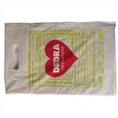
At our company, we offer a wide range of compostable waste bags to meet different customer needs. Our Biodegradable Garden Waste Bags are perfect for collecting leaves, grass clippings, and other garden debris. They are strong enough to hold heavy loads and will break down quickly in a composting environment.
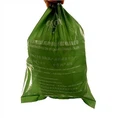
Our Outdoor Waste Bags are designed for general outdoor waste collection. Whether you're cleaning up after a picnic, a camping trip, or a yard work session, these bags are a reliable and eco - friendly choice.
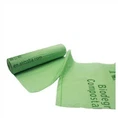
If you prefer a more convenient option, our Garbage Bags On Roll are easy to dispense and use. They are suitable for both indoor and outdoor waste collection and are made from high - quality compostable materials.
In conclusion, while there are chemicals involved in the production of compostable waste bags, these chemicals are carefully selected to ensure they are non - toxic and compostable. Compostable waste bags are a safe and sustainable alternative to traditional plastic waste bags. If you're interested in purchasing our compostable waste bags or have any questions about our products, please feel free to contact us. We're always happy to assist you in making the switch to a more eco - friendly waste management solution.


References
- ASTM International. (n.d.). ASTM D6400 - 19 Standard Specification for Labeling of Plastics Designed to be Aerobically Composted in Municipal or Industrial Facilities.
- European Committee for Standardization. (2000). EN 13432:2000 Packaging - Requirements for packaging recoverable through composting and biodegradation - Test scheme and evaluation criteria for the final acceptance of packaging.