



Can biodegradable bin liners be used in all types of bins?
As a supplier of biodegradable bin liners, I often encounter this question from customers. Biodegradable bin liners have gained significant popularity in recent years due to their environmental - friendliness. They are designed to break down naturally over time, reducing the long - term impact on the environment compared to traditional plastic bin liners. But the question of whether they can be used in all types of bins is a complex one that requires a detailed analysis.
Understanding Biodegradable Bin Liners
Biodegradable bin liners are made from materials that can be broken down by microorganisms such as bacteria, fungi, and algae. These materials often include plant - based polymers like polylactic acid (PLA), starch - based polymers, and other natural substances. When exposed to the right environmental conditions, these liners will gradually decompose into water, carbon dioxide, and biomass.
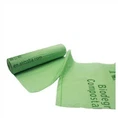
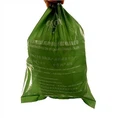
Our company offers a range of biodegradable bin liners, including Biodegradable Natural Bin Liners and 100% Biodegradable Garbage Bags. These products are manufactured with high - quality biodegradable materials, ensuring they are not only eco - friendly but also strong enough to hold various types of waste.
Types of Bins
There are several common types of bins, each designed for specific waste types and usage scenarios.
Household Bins
Household bins come in different sizes and are used to collect general household waste, recyclables, and organic waste. Biodegradable bin liners are an excellent choice for household bins. For general waste, they can effectively contain the trash and prevent leakage. When it comes to organic waste, biodegradable liners can be placed directly in the compost bin along with the waste. As the organic matter decomposes, the liner will also break down, adding to the overall composting process.
Outdoor Bins
Outdoor bins, such as those used for garden waste or large - scale household waste collection, require bin liners that can withstand harsher environmental conditions. Our Outdoor Waste Bags are specifically designed for this purpose. They are made from durable biodegradable materials that can resist tearing and puncturing. Whether it's sharp branches from pruning or heavy wet leaves, these liners can hold the waste securely. However, it's important to note that in extremely cold or hot weather, the performance of biodegradable liners may be affected. In cold weather, the material may become brittle, increasing the risk of cracking, while in hot weather, the liner may degrade more quickly, which could lead to premature failure.
Commercial Bins
Commercial bins are used in businesses, restaurants, and public places. They often handle a large volume of waste, including food waste, packaging materials, and other debris. Biodegradable bin liners can be used in commercial bins, but there are some considerations. For example, in restaurants, the liners need to be able to withstand the weight and moisture from food waste. Some commercial waste may also contain chemicals or sharp objects that could potentially damage the liner. Therefore, it's crucial to choose the right thickness and strength of the biodegradable liner based on the type of waste generated.


Recycling Bins
Recycling bins are used to collect materials such as paper, cardboard, glass, and plastic for recycling. Biodegradable bin liners can be used in recycling bins, but it's important to ensure that they do not contaminate the recyclables. For example, if the liner is made from a plant - based polymer and is mixed with plastic recyclables, it could cause problems during the recycling process. In some cases, it may be better to use no liner at all in recycling bins to avoid any potential contamination.
Factors Affecting the Use of Biodegradable Bin Liners in Different Bins
Environmental Conditions
As mentioned earlier, environmental conditions play a significant role in the performance of biodegradable bin liners. Temperature, humidity, and exposure to sunlight can all affect the rate of decomposition and the strength of the liner. In a landfill environment, where there is limited oxygen and sunlight, the decomposition process may be slower compared to a composting environment.
Waste Type
The type of waste placed in the bin also affects the suitability of biodegradable bin liners. Sharp or heavy objects can puncture the liner, while wet or sticky waste can cause the liner to break down more quickly. Chemical - laden waste may also react with the biodegradable material, reducing its effectiveness.
Bin Design
The design of the bin can impact the use of biodegradable bin liners. Some bins have sharp edges or rough surfaces that can easily tear the liner. Additionally, the size of the bin opening and the way the liner is secured can affect its performance. For example, if the liner is not properly secured, it may slip into the bin, making it difficult to remove the waste.
Benefits of Using Biodegradable Bin Liners in Different Bins
Despite the challenges, there are many benefits to using biodegradable bin liners in various types of bins.
Environmental Benefits
The most obvious benefit is the positive impact on the environment. Biodegradable bin liners reduce the amount of plastic waste that ends up in landfills, oceans, and other natural habitats. They help to conserve natural resources and reduce greenhouse gas emissions associated with the production and disposal of traditional plastic bin liners.
Composting Potential
When used in organic waste bins or composting systems, biodegradable bin liners can enhance the composting process. They add organic matter to the compost, which can improve its quality and fertility. This is especially beneficial for gardeners and those interested in sustainable living.
Corporate Social Responsibility
For businesses, using biodegradable bin liners demonstrates a commitment to environmental sustainability. It can enhance the company's reputation and appeal to environmentally - conscious customers.
Conclusion
In conclusion, biodegradable bin liners can be used in most types of bins, but careful consideration is needed. Factors such as environmental conditions, waste type, and bin design must be taken into account to ensure their effective use. As a supplier of biodegradable bin liners, we are committed to providing high - quality products that meet the diverse needs of our customers.
If you are interested in purchasing our biodegradable bin liners or have any questions about their suitability for your specific bin types, please feel free to contact us for a detailed discussion. We look forward to working with you to promote a more sustainable future.
References
- European Bioplastics. (2023). Bioplastics Market Data.
- United Nations Environment Programme. (2022). Marine Litter and Microplastics: Global Lessons and Research to Inspire Action and Guide Policy Change.
- Waste Management World. (2023). The Future of Biodegradable Packaging.