



Can biodegradable trash bags be used for all types of trash?
As a supplier of biodegradable trash bags, I often encounter questions from customers about the versatility of these eco - friendly alternatives. Biodegradable trash bags have gained significant popularity in recent years due to their environmental benefits. They are designed to break down naturally over time, reducing the long - term burden on landfills and minimizing pollution. However, the question remains: can they be used for all types of trash?
Understanding Biodegradable Trash Bags
Before delving into the types of trash these bags can handle, it's essential to understand what makes a trash bag biodegradable. Biodegradable materials are those that can be broken down by microorganisms such as bacteria, fungi, and algae into natural substances like water, carbon dioxide, and biomass. Biodegradable trash bags are typically made from plant - based materials such as cornstarch, potato starch, or other renewable resources, which are more sustainable compared to traditional plastic bags made from petroleum.
Suitable Types of Trash
-
Organic Waste
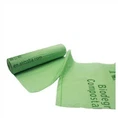
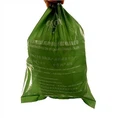
Biodegradable trash bags are an excellent choice for organic waste, including food scraps, yard waste, and paper products. For instance, when disposing of kitchen waste, Biodegradable Kitchen Waste Bags can be used to collect fruit peels, vegetable cuttings, coffee grounds, and eggshells. These bags will break down along with the organic matter, facilitating the composting process. Yard waste such as leaves, grass clippings, and small branches can also be safely placed in biodegradable bags. As the organic materials decompose, the bags will degrade as well, adding to the nutrient - rich compost. -
Pet Waste
For pet owners, biodegradable trash bags offer a more environmentally friendly option for disposing of pet waste. Dog Poop Bag Biodegradable - 315Count Dog Waste Bags and Bio Degradable Dog Cornstarch Eco Friendly Compostable Biodegradable Poop Bags For Pet Poop are specifically designed to handle dog feces. These bags are made from materials that can break down in a relatively short period, reducing the environmental impact of pet waste disposal.
Unsuitable Types of Trash
-
Hazardous Waste
Biodegradable trash bags are not suitable for hazardous waste. Hazardous waste includes items such as batteries, pesticides, paint, and chemicals. These substances can be toxic to the microorganisms responsible for breaking down the biodegradable bags. Moreover, the breakdown of hazardous waste can release harmful pollutants into the environment. For example, batteries contain heavy metals like lead, mercury, and cadmium, which can contaminate soil and water sources if not disposed of properly. Therefore, it is crucial to use specialized containers and follow local regulations for hazardous waste disposal. -
Sharp Objects
Sharp objects such as broken glass, needles, and metal scraps can puncture biodegradable trash bags, causing leaks and potential injuries. Unlike traditional plastic bags, which are often more durable, biodegradable bags are generally thinner and more fragile. If a sharp object pierces the bag, it can compromise the integrity of the bag and make it difficult to handle the trash safely. In such cases, it is advisable to use heavy - duty, puncture - resistant containers. -
Non - Biodegradable Materials
Using biodegradable trash bags for non - biodegradable materials defeats the purpose of using these eco - friendly alternatives. Items like plastic toys, styrofoam, and synthetic fabrics do not break down naturally and can slow down the decomposition process of the bag. When mixed with biodegradable waste, non - biodegradable materials can contaminate the compost and reduce its quality.
Factors Affecting Biodegradation
The ability of biodegradable trash bags to break down depends on several factors. Firstly, the environmental conditions play a crucial role. Biodegradation occurs most efficiently in aerobic environments with sufficient oxygen, moisture, and the presence of microorganisms. In landfills, where the conditions are often anaerobic (lacking oxygen), the decomposition process can be significantly slower.
Secondly, the composition of the bag matters. Different biodegradable bags are made from various materials and have different degradation rates. Some bags may require specific conditions, such as a certain temperature or pH level, to break down effectively. For example, bags made from cornstarch may degrade faster in warm, moist environments compared to those made from other plant - based materials.
Considerations for Using Biodegradable Trash Bags
When using biodegradable trash bags, it's important to follow the manufacturer's instructions. Some bags may need to be disposed of in a composting facility rather than a regular landfill to ensure proper decomposition. Additionally, it's essential to separate different types of trash correctly. By segregating organic waste from non - organic and hazardous waste, you can maximize the benefits of using biodegradable trash bags and contribute to a more sustainable waste management system.


Conclusion
In conclusion, while biodegradable trash bags offer many environmental benefits, they cannot be used for all types of trash. They are well - suited for organic waste and pet waste, where they can break down naturally and contribute to the composting process. However, they are not appropriate for hazardous waste, sharp objects, or non - biodegradable materials. As a supplier of biodegradable trash bags, I encourage customers to make informed decisions about their waste disposal and choose the right type of bag for each type of trash.
If you are interested in purchasing high - quality biodegradable trash bags for your specific needs, we are here to assist you. Our products are designed to meet the highest standards of quality and environmental sustainability. Contact us for more information and to start a procurement discussion.
References
- ASTM International. (2018). Standard Specification for Labeling of Plastics Designed to be Aerobically Composted in Municipal or Industrial Facilities. ASTM D6400 - 18.
- European Committee for Standardization. (2013). EN 13432:2000+A1:2013 Packaging - Requirements for packaging recoverable through composting and biodegradation - Test scheme and evaluation criteria for the final acceptance of packaging.
- United States Environmental Protection Agency. (2021). Composting at Home. https://www.epa.gov/recycle/composting - home