



Can I use compostable bin liners in my outdoor bins?
As a supplier of Compostable Bin Liners, I often get asked this question. The short answer is yes, you can use compostable bin liners in your outdoor bins, but there are some important considerations to keep in mind.
What are Compostable Bin Liners?
Compostable bin liners are made from materials that can break down into natural elements in a composting environment. Unlike traditional plastic bin liners, which can take hundreds of years to decompose, compostable liners are designed to biodegrade relatively quickly under the right conditions. These liners are typically made from plant-based materials such as corn starch, sugarcane, or other renewable resources.


Benefits of Using Compostable Bin Liners in Outdoor Bins
- Environmental Friendliness
- One of the main advantages of using compostable bin liners is their positive impact on the environment. By choosing these liners, you are reducing the amount of non - biodegradable waste that ends up in landfills. Traditional plastic bin liners contribute to the growing problem of plastic pollution, which harms wildlife and ecosystems. Compostable liners, on the other hand, return to the earth as organic matter, helping to enrich the soil.
- Convenience
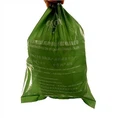
- Compostable bin liners offer the same level of convenience as traditional plastic liners. They are easy to use, can hold the weight of your waste, and prevent leaks and spills. This makes them a practical choice for outdoor bins, where you may be dealing with wet or messy waste.
- Support for Composting
- If you have a composting system in your garden, using compostable bin liners can be a great way to support the process. You can simply add the liner along with the food scraps and other organic waste to your compost pile. The liner will break down over time, adding to the overall organic content of the compost.
Considerations When Using Compostable Bin Liners in Outdoor Bins
- Composting Conditions
- Compostable bin liners require specific conditions to break down properly. They need a composting environment with the right balance of oxygen, moisture, and temperature. In an outdoor bin, these conditions may not always be ideal. For example, if the bin is too dry or too cold, the liner may not decompose as quickly as expected. It's important to ensure that your outdoor bin provides a suitable environment for composting. You can add some water to the bin if it's dry and make sure there is enough air circulation.
- Compatibility with Local Waste Management
- Before using compostable bin liners in your outdoor bins, it's essential to check with your local waste management authorities. Some areas may have specific guidelines or restrictions regarding the use of compostable materials in their waste collection systems. In some cases, they may only accept certain types of compostable bin liners. Make sure to choose liners that meet the requirements of your local waste management program.
- Quality of the Liners
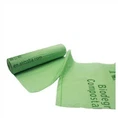
- Not all compostable bin liners are created equal. Some may be of lower quality and may not break down as effectively as others. When choosing a supplier, look for liners that are certified compostable. Certifications such as the ASTM D6400 or EN 13432 ensure that the liners meet specific standards for compostability. As a supplier, I take pride in offering high - quality Compostable Bin Liners with Box that are certified and tested to ensure they will break down properly in a composting environment.
Types of Waste Suitable for Compostable Bin Liners in Outdoor Bins
- Food Scraps
- Compostable bin liners are ideal for collecting food scraps such as fruit and vegetable peels, coffee grounds, and eggshells. These organic materials can be easily added to a compost pile along with the liner. The liner helps to keep the food scraps contained and makes it easier to transfer them to the compost.
- Yard Waste
- If you have a garden, you can use compostable bin liners to collect yard waste such as leaves, grass clippings, and small branches. This waste can be composted to create nutrient - rich soil for your plants. The liners can help to keep the yard waste organized and prevent it from spilling out of the bin.
- Paper Products
- Some paper products, such as paper towels and napkins that are free of chemicals and dyes, can also be composted. You can use compostable bin liners to collect these paper items and add them to your compost pile.
Comparing Compostable Bin Liners with Other Options
- Traditional Plastic Bin Liners
- As mentioned earlier, traditional plastic bin liners are non - biodegradable and can have a significant negative impact on the environment. In contrast, compostable bin liners are a more sustainable choice. While traditional plastic liners may be cheaper in the short term, the long - term environmental costs are much higher.
- Biodegradable Bin Liners
- Biodegradable bin liners are often confused with compostable bin liners. However, there is a difference. Biodegradable liners will break down over time, but they may not necessarily break down into organic matter that can be used to enrich the soil. Compostable bin liners, on the other hand, are designed to be fully composted and return to the earth as a valuable resource.
- Trash Liner with Logo
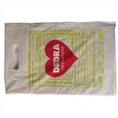
- Trash liners with logos are often used for commercial or branding purposes. While they may serve a specific function, they are usually made of traditional plastic materials. If you are looking for an environmentally friendly option, compostable bin liners can still be customized with logos. We offer a range of options for Trash Liner with Logo using compostable materials, so you can have both functionality and sustainability.
Conclusion
In conclusion, using compostable bin liners in your outdoor bins is a great way to be more environmentally friendly and support the composting process. However, it's important to consider the composting conditions, compatibility with local waste management, and the quality of the liners. As a supplier of Compostable Bin Liners, I am committed to providing high - quality products that meet the needs of our customers. If you are interested in learning more about our compostable bin liners or have any questions about using them in your outdoor bins, please feel free to contact us for further discussion and potential procurement. We are here to help you make the right choice for your waste management needs.
References
- ASTM International. (2023). ASTM D6400 - 19 Standard Specification for Labeling of Plastics Designed to be Aerobically Composted in Municipal or Industrial Facilities.
- European Committee for Standardization. (2023). EN 13432:2000 Packaging - Requirements for packaging recoverable through composting and biodegradation - Test scheme and evaluation criteria for the final acceptance of packaging.