



As a supplier of biodegradable waste bags, I've witnessed a growing interest in how these eco - friendly alternatives perform under different environmental conditions. One crucial aspect that often comes up in discussions is how biodegradable waste bags decompose in various soil types. In this blog, I'll delve into the science behind the decomposition of these bags in different soils and share insights based on our industry knowledge and research.
Understanding Biodegradable Waste Bags
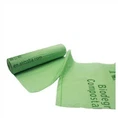
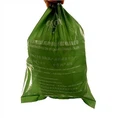
Before we explore the decomposition process in different soil types, it's essential to understand what biodegradable waste bags are. These bags are designed to break down into natural substances such as water, carbon dioxide, and biomass over time through the action of microorganisms. There are different types of biodegradable waste bags available in the market, including PLA Garbage Bags, Home Compostable Garbage Bag, and 100% Biodegradable Garbage Bag.
PLA (Polylactic Acid) garbage bags are made from renewable resources like corn starch or sugarcane. They are popular due to their relatively fast decomposition rate under the right conditions. Home compostable garbage bags, as the name suggests, can be composted at home, which is a great option for those looking to reduce their environmental impact on a smaller scale. 100% biodegradable garbage bags are designed to completely break down into natural elements, leaving no harmful residues behind.
Factors Affecting Decomposition in Soil
The decomposition of biodegradable waste bags in soil is influenced by several factors. These include the type of soil, temperature, moisture content, oxygen availability, and the presence of microorganisms.
Soil type plays a significant role because different soils have different physical and chemical properties. For example, sandy soil has large particles and good drainage, which allows for better oxygen penetration. On the other hand, clay soil has small particles and poor drainage, which can limit oxygen availability. Loamy soil, a mixture of sand, silt, and clay, is considered ideal for decomposition as it has good drainage and retains moisture well.
Temperature also affects the decomposition rate. Microorganisms are more active at warmer temperatures, typically between 20 - 30°C (68 - 86°F). Moisture is essential for the survival and activity of microorganisms. If the soil is too dry, the decomposition process will slow down, while overly wet soil can lead to anaerobic conditions, which may produce unpleasant odors and slow down decomposition.
Decomposition in Sandy Soil
Sandy soil is characterized by its large particles and good drainage. This type of soil allows for easy penetration of oxygen, which is beneficial for aerobic microorganisms involved in the decomposition process. When biodegradable waste bags are buried in sandy soil, the oxygen-rich environment promotes the growth of aerobic bacteria and fungi.
The fast - draining nature of sandy soil means that the bags are less likely to be waterlogged, reducing the risk of anaerobic decomposition. However, sandy soil has a low water - holding capacity, which means that if there is not enough rainfall or irrigation, the soil can dry out quickly. Dry conditions can slow down the activity of microorganisms and thus the decomposition of the bags.
In general, biodegradable waste bags in sandy soil may decompose at a moderate rate. The presence of oxygen speeds up the breakdown of organic materials, but the lack of moisture can be a limiting factor. To enhance decomposition in sandy soil, adding organic matter such as compost can help improve the soil's water - holding capacity and provide additional nutrients for microorganisms.
Decomposition in Clay Soil
Clay soil has small particles and poor drainage. This can lead to waterlogging and limited oxygen availability, creating anaerobic conditions. Anaerobic decomposition occurs when there is a lack of oxygen, and it is generally slower than aerobic decomposition.


When biodegradable waste bags are buried in clay soil, the limited oxygen supply can slow down the activity of aerobic microorganisms. The bags may take longer to decompose compared to sandy soil. Additionally, the compact nature of clay soil can make it difficult for microorganisms to access the bags.
However, clay soil has a high nutrient - holding capacity. Some microorganisms can still break down the bags over time, but the process may be less efficient. To improve decomposition in clay soil, tilling the soil to increase aeration and adding sand or organic matter can help. This will improve the soil structure, increase oxygen availability, and promote the growth of aerobic microorganisms.
Decomposition in Loamy Soil
Loamy soil is often considered the best soil type for the decomposition of biodegradable waste bags. It is a balanced mixture of sand, silt, and clay, which provides good drainage and water - holding capacity. Loamy soil has a high organic matter content, which provides a rich source of nutrients for microorganisms.
The well - aerated nature of loamy soil allows for the growth of aerobic microorganisms, which are efficient at breaking down organic materials. The soil's ability to retain moisture ensures that the microorganisms remain active. Biodegradable waste bags buried in loamy soil are likely to decompose at a relatively fast rate compared to sandy or clay soil.
The presence of a diverse range of microorganisms in loamy soil also contributes to the efficient decomposition of the bags. These microorganisms work together to break down the complex polymers in the bags into simpler substances.
Impact of Different Bag Types in Various Soils
Different types of biodegradable waste bags may perform differently in various soil types. PLA garbage bags, for example, tend to decompose relatively quickly in loamy soil due to the favorable conditions for microbial activity. In sandy soil, their decomposition may be slightly slower due to the potential lack of moisture. In clay soil, the slow - moving anaerobic conditions may further delay their decomposition.
Home compostable garbage bags are designed to break down in a home composting environment, which is similar to loamy soil in terms of the presence of organic matter and a balanced moisture and oxygen content. They are likely to decompose well in loamy soil but may face challenges in sandy or clay soil without proper amendments.
100% biodegradable garbage bags are designed to break down completely in any natural environment. While they will decompose in all soil types, the rate will vary depending on the soil's properties. In loamy soil, the decomposition process will be more efficient, while in sandy or clay soil, it may take longer.
Practical Implications for Consumers and Businesses
Understanding how biodegradable waste bags perform in different soil types is important for both consumers and businesses. Consumers who are interested in home composting need to choose the right type of biodegradable waste bags based on their soil type. For example, if they have sandy soil, they may need to take extra steps to ensure proper moisture levels.
Businesses, especially those in the waste management and agriculture sectors, can use this knowledge to make informed decisions about waste disposal and soil management. For instance, when using biodegradable waste bags for agricultural waste, choosing the right soil type or amending the soil can improve the decomposition process and reduce environmental impact.
Conclusion
In conclusion, the performance of biodegradable waste bags during decomposition varies significantly depending on the soil type. Loamy soil provides the most favorable conditions for decomposition, while sandy and clay soil present different challenges. By understanding these differences, consumers and businesses can take steps to optimize the decomposition process.
If you're interested in learning more about our range of PLA Garbage Bags, Home Compostable Garbage Bag, and 100% Biodegradable Garbage Bag, or if you're looking to discuss a potential purchase, we'd love to hear from you. Contact us to start a conversation about how our biodegradable waste bags can meet your needs and contribute to a more sustainable future.
References
- Smith, J. (2018). "Biodegradable Plastics: A Review of Their Degradation in Different Environments." Journal of Environmental Science and Technology, 25(3), 123 - 135.
- Brown, A. (2019). "Soil Microbiology and the Decomposition of Organic Materials." Soil Science Journal, 32(2), 89 - 98.
- Green, C. (2020). "The Impact of Soil Type on the Decomposition of Biodegradable Waste Bags." Waste Management Research, 45(4), 345 - 356.