


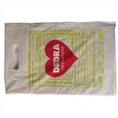

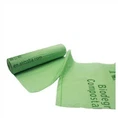
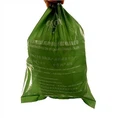
Hey there! As a supplier of compostable bin liners, I often get asked how these eco - friendly alternatives stack up against regular bin liners. So, let's dive right in and take a closer look at how compostable bin liners compare to the regular ones.
Appearance
First off, let's talk about how they look. At a glance, compostable bin liners can look pretty similar to regular bin liners. They come in various sizes, just like the regular ones, to fit different types of bins, whether it's a small kitchen bin or a large outdoor trash can.
The color of compostable bin liners is usually more natural - looking. While regular bin liners are often in that bright, shiny black or a very clear plastic look, compostable ones might have a more off - white, beige, or a slightly translucent appearance. This is because they're made from natural materials like cornstarch, sugarcane, or other plant - based polymers. For example, some of our 100% Biodegradable Garbage Bag have a soft, almost milky - white color that gives them a more organic feel.
In terms of texture, regular bin liners are typically very smooth and slippery. They're made from petroleum - based plastics, which give them that slick surface. Compostable bin liners, on the other hand, can have a slightly different texture. They might be a bit more matte and have a texture that's a bit closer to paper or a natural fabric in some cases. It's not rough, but it's definitely not as slippery as the regular ones.
Durability
When it comes to durability, regular bin liners have long been known for their strength. They're designed to hold heavy loads of trash without tearing easily. This is because the petroleum - based plastics used in their production are very tough and can withstand a lot of stress.
Compostable bin liners have come a long way in terms of durability. In the past, they were often seen as flimsy and not able to handle much weight. But with advancements in technology, modern compostable bin liners, like our Compostable Plastic Trash Bags, are much stronger. They can hold a decent amount of weight, and as long as you're not overloading them, they'll do the job just fine. However, they might not be as indestructible as regular bin liners. For instance, if you're putting sharp objects in the bin, you might need to be a bit more careful with compostable liners as they could potentially tear more easily than the regular ones.
Environmental Impact
This is where the real difference lies. Regular bin liners are made from non - renewable resources like petroleum. When they end up in landfills, they can take hundreds of years to break down. They also release harmful chemicals into the environment as they degrade, contributing to pollution and climate change.
Compostable bin liners, on the other hand, are a game - changer. They're made from renewable resources, which means they're a more sustainable option. When they're disposed of in a composting environment, they break down into natural elements like water, carbon dioxide, and biomass within a relatively short period. For example, our Biodegradable Natural Bin Liner can break down in a commercial composting facility in just a few months. This not only reduces the amount of waste in landfills but also helps create nutrient - rich compost that can be used in gardening and agriculture.
Cost
Cost is always a factor when it comes to choosing bin liners. Regular bin liners are generally cheaper because the raw materials (petroleum) are widely available and the production process is well - established.
Compostable bin liners are usually more expensive. The raw materials used to make them, such as plant - based polymers, are often more costly to produce. Also, the production process for compostable bin liners might be more complex and require more specialized equipment. However, as the demand for eco - friendly products increases, the cost of compostable bin liners is gradually coming down. And when you consider the long - term environmental benefits, the extra cost might be worth it.
Odor Resistance
Regular bin liners can sometimes trap odors very well. The thick plastic acts as a barrier, preventing the smell from escaping. However, over time, if there's a lot of wet or smelly trash in the bin, the odor can still seep through.
Compostable bin liners also have some level of odor resistance. Since they're made from natural materials, they don't have that strong, chemical smell that some regular bin liners might have. And because they can break down more easily, they don't create a long - term environment for bacteria to grow and cause bad odors. But they might not be as effective as regular bin liners in completely blocking strong odors, especially if you're dealing with very pungent waste.
Availability
Regular bin liners are everywhere. You can find them in almost any grocery store, convenience store, or big - box retailer. They come in a wide range of brands and sizes, so you have plenty of options to choose from.


Compostable bin liners are becoming more available, but they're still not as widespread as regular bin liners. You can usually find them in specialty stores that focus on eco - friendly products, or you can order them online. As a supplier, we're working hard to increase the availability of our compostable bin liners in more stores and make them more accessible to consumers.
Usage Scenarios
Regular bin liners are great for general household trash, especially when you're dealing with a lot of heavy or sharp objects. They're also suitable for commercial settings where large amounts of waste are generated on a daily basis.
Compostable bin liners are ideal for organic waste. If you're composting at home or in a commercial composting facility, using a compostable bin liner can make the process much easier. You can simply throw the liner along with the organic waste into the composting pile, and it will break down along with the rest of the materials. They're also a good choice for those who are trying to reduce their environmental impact and are willing to make a small sacrifice in terms of cost and durability for the sake of the planet.
Conclusion
So, there you have it! Compostable bin liners and regular bin liners have their own pros and cons. While regular bin liners are more affordable, durable, and widely available, compostable bin liners are a more sustainable option with a lower environmental impact.
If you're interested in making the switch to compostable bin liners or want to learn more about our products, we'd love to have a chat with you. Whether you're a homeowner looking to be more eco - friendly or a business owner wanting to implement sustainable waste management practices, we can help you find the right compostable bin liners for your needs. Just reach out to us, and let's start a conversation about how we can work together to make a positive impact on the environment.
References
- "Plastic Waste Management and Recycling." Environmental Protection Agency.
- "Composting Basics." United States Department of Agriculture.
- Industry reports on the development of compostable materials.