



Hey there! As a shopping bags supplier, I often get asked by customers, "How do I know if a shopping bag is durable?" Well, I'm here to break it down for you. In this blog, I'll share some tips and insights that'll help you figure out whether a shopping bag can stand the test of time.
Material Matters
The first thing you gotta look at when assessing a shopping bag's durability is the material it's made from. Different materials have different strengths and weaknesses, and understanding these can give you a good idea of how long the bag will last.
Plastic Bags
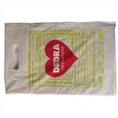
Plastic bags are one of the most common types of shopping bags out there. They're lightweight, cheap to produce, and come in a variety of thicknesses. Thicker plastic bags are generally more durable than thinner ones. A good rule of thumb is to look for bags with a gauge measurement of at least 2.5 mils. Mils are a unit of measurement for plastic thickness, and the higher the mils, the thicker and more durable the bag.
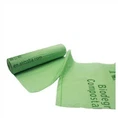
However, plastic bags have their drawbacks. They're not very eco - friendly, and they can tear easily if they get caught on something sharp. If you're looking for a more sustainable option, you might want to consider some of the biodegradable alternatives we offer, like our Wholesale Biodegradable Shop Bags. These bags are made from materials that break down over time, reducing their impact on the environment while still providing a decent level of durability.

Paper Bags
Paper bags are another popular choice. They're often seen as more environmentally friendly than plastic, especially if they're made from recycled paper. The durability of a paper bag depends on the quality of the paper used. Heavier - weight paper, such as 80 - pound or 100 - pound paper, will be more durable than lighter - weight paper.
Paper bags can be great for carrying lighter items, but they're not as water - resistant as plastic bags. If it starts to rain, your paper bag could quickly become soggy and fall apart. To increase the durability of paper bags, some manufacturers add a coating to make them more water - resistant.
Fabric Bags
Fabric bags are known for their durability. Materials like cotton, canvas, and polyester can withstand a lot of wear and tear. Cotton and canvas bags are natural and breathable, but they can be a bit heavy. Polyester bags, on the other hand, are lightweight, strong, and quick - drying.
When choosing a fabric bag, pay attention to the weave of the fabric. A tight weave will generally be more durable than a loose one. Also, look at the seams. Reinforced seams are a sign that the bag is built to last. Our Compostable T - shirt Shopping Bags are a great example of a durable fabric option. They're made from high - quality materials and are designed to carry heavy loads.
Construction and Design
The way a shopping bag is put together also plays a big role in its durability. Here are some construction and design features to look out for:
Handles
The handles are one of the most important parts of a shopping bag. They need to be strong enough to hold the weight of the items inside the bag. Look for bags with thick, sturdy handles. For fabric bags, double - stitched or reinforced handles are a good sign. In plastic bags, the handles should be well - attached to the bag body. If the handles are flimsy or easily detachable, the bag is likely not going to be very durable.
Seams
The seams of a shopping bag are where the pieces of material are joined together. Weak seams can cause the bag to come apart. Look for bags with reinforced seams, especially at the bottom and along the sides. Double - stitching or using stronger thread can significantly increase the strength of the seams.
Bottom Design
A well - designed bottom can make a big difference in a bag's durability. Bags with a flat bottom are more stable and can hold heavier items without tipping over. Some bags also have a reinforced bottom, which can prevent it from tearing or sagging under the weight of the contents.
Testing the Bag
If you have the opportunity, it's a good idea to test the bag before you make a purchase. Here are some simple tests you can do:
Tug Test
Gently tug on the handles and the sides of the bag. If the bag feels flimsy or if the seams start to come apart easily, it's probably not very durable. A durable bag should be able to withstand a little bit of pulling without falling apart.
Weight Test
If possible, put some weight in the bag to see how it holds up. Start with a small amount of weight and gradually increase it. Pay attention to how the bag feels in your hands and whether it shows any signs of stress, such as tearing or stretching.

Our Range of Durable Shopping Bags
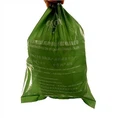
At our company, we understand the importance of durability when it comes to shopping bags. That's why we offer a wide range of high - quality bags that are built to last. Our Wholesale Home Compost Certificate Grocery Shopping Bags are not only durable but also environmentally friendly. They're made from materials that can be composted at home, reducing waste and helping to protect the planet.
Whether you're a retailer looking for bags to carry your products or a consumer in search of a reliable shopping companion, we've got you covered. Our bags are designed with durability in mind, using the best materials and construction techniques.
Contact Us for Your Shopping Bag Needs
If you're interested in purchasing our durable shopping bags, we'd love to hear from you. Whether you have questions about our products, need a custom order, or just want to learn more about our range, feel free to reach out. We're here to help you find the perfect shopping bags for your needs.
References
- "Plastic Bag Thickness: Understanding Mils." Packaging World.
- "The Durability of Paper Bags: Factors to Consider." Paper Packaging Institute.
- "Fabric Weaves and Their Impact on Durability." Textile Research Journal.