



In today's environmentally conscious world, the demand for biodegradable waste bags has skyrocketed. As a supplier of Biodegradable Waste Bags, I often encounter customers who are eager to make sustainable choices but are unsure how to determine if a waste bag is truly biodegradable. In this blog post, I'll share some insights and tips to help you make an informed decision.


Understanding Biodegradability
Before we delve into how to identify truly biodegradable waste bags, it's crucial to understand what biodegradability means. Biodegradation is a natural process where microorganisms, such as bacteria, fungi, and algae, break down organic materials into simpler substances like water, carbon dioxide, and biomass. For a waste bag to be considered biodegradable, it should be able to decompose within a reasonable time frame under specific environmental conditions.
However, the term "biodegradable" can be misleading. There are no universal standards for what "biodegradable" means, which allows some manufacturers to label their products as such without meeting strict criteria. Some bags might claim to be biodegradable but take an extremely long time to break down, or they may only decompose under very specific and unrealistic conditions, like in industrial composting facilities that most consumers don't have access to.
Look for Certifications
One of the most reliable ways to determine if a waste bag is truly biodegradable is to look for recognized certifications. These certifications are issued by independent third - party organizations that test products against strict standards.
- ASTM D6400: This is a standard developed by the American Society for Testing and Materials (ASTM). Bags certified under ASTM D6400 are designed to biodegrade in industrial composting facilities. They must break down into small fragments within a specified time frame and leave no harmful residues.
- EN 13432: In Europe, the EN 13432 standard is widely recognized. It sets requirements for packaging materials to be considered compostable and biodegradable. Products with this certification have been tested to ensure they can be composted in industrial composting plants and meet certain quality criteria.
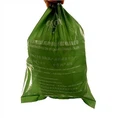
When you see a waste bag with these certifications on the label, you can have more confidence that it is truly biodegradable under the appropriate conditions. Our Biodegradable Garden Waste Bags are certified to meet these high - quality standards, ensuring that they are a sustainable choice for your garden waste.
Check the Material Composition
The material used to make the waste bag is another important factor. Truly biodegradable waste bags are typically made from natural materials or bio - based polymers.
- Polylactic Acid (PLA): PLA is a biodegradable thermoplastic made from renewable resources such as corn starch or sugarcane. It has good mechanical properties and can be used to make strong and durable waste bags. PLA breaks down into lactic acid, which is then further decomposed by microorganisms.
- Starch - based polymers: These polymers are derived from starch, a natural and abundant material. Starch - based waste bags are often blended with other biodegradable polymers to improve their performance. They are designed to degrade quickly when exposed to the right environmental conditions.
- Cellulose: Cellulose is the main component of plant cell walls. Waste bags made from cellulose are biodegradable and can be composted. They are also often recyclable, adding to their environmental friendliness.
Avoid bags that contain a high percentage of traditional plastics like polyethylene (PE) or polypropylene (PP). While some manufacturers may claim that these bags are "oxo - biodegradable," meaning they break down into smaller pieces through oxidation, they still leave behind microplastics, which are a significant environmental concern. Our Outdoor Waste Bags are made from high - quality bio - based materials, ensuring their biodegradability.
Consider the Decomposition Conditions
Not all biodegradable waste bags will break down in the same way or at the same rate. The decomposition process depends on several factors, including temperature, humidity, and the presence of microorganisms.
- Industrial composting: Some biodegradable waste bags are designed to break down in industrial composting facilities. These facilities provide controlled conditions, including high temperatures and the right mix of oxygen and moisture, to speed up the decomposition process. However, not all consumers have access to industrial composting services.
- Home composting: If you plan to compost your waste bags at home, look for bags that are labeled as "home - compostable." These bags are designed to break down under the less - controlled conditions of a home compost pile. They usually have a slower decomposition rate compared to bags for industrial composting but are still a great option for those who want to reduce their environmental impact at home.
- Landfill conditions: While landfills are not ideal for biodegradation due to the lack of oxygen and proper conditions, some truly biodegradable waste bags can still break down over time. However, the process may be much slower compared to composting.
Evaluate the Product's Performance
A truly biodegradable waste bag should not only be environmentally friendly but also perform well in its intended use.
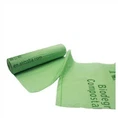
- Strength and durability: The bag should be strong enough to hold your waste without tearing or leaking. You don't want a bag that breaks open during transportation or while you're filling it. Our Garbage Bags On Roll are designed to be both biodegradable and strong, ensuring that they can handle your daily waste needs.
- Sealability: A good waste bag should have a reliable sealing mechanism to prevent odors from escaping and to keep pests out. Look for bags with features like drawstrings or adhesive seals.
Manufacturer's Reputation
The reputation of the manufacturer is also an important consideration. A reliable and responsible manufacturer will be transparent about their production processes and the environmental impact of their products.
- Research the company: Look for information about the manufacturer's commitment to sustainability. Check their website for details about their production methods, certifications, and environmental policies.
- Read customer reviews: Customer reviews can provide valuable insights into the quality and performance of the waste bags. Look for reviews from other consumers who have used the product and see what they have to say about its biodegradability and functionality.
Conclusion
Determining if a waste bag is truly biodegradable requires a combination of research and careful consideration. By looking for certifications, checking the material composition, considering the decomposition conditions, evaluating the product's performance, and researching the manufacturer's reputation, you can make an informed decision and choose a waste bag that is both environmentally friendly and practical.
As a supplier of Biodegradable Waste Bags, we are committed to providing high - quality, truly biodegradable products. Our range of Biodegradable Garden Waste Bags, Outdoor Waste Bags, and Garbage Bags On Roll are designed to meet the highest standards of sustainability and performance.
If you're interested in purchasing our biodegradable waste bags for your business or personal use, we'd love to hear from you. Contact us to discuss your specific needs and start making a positive impact on the environment today.
References
- ASTM International. (n.d.). ASTM D6400 - 19 Standard Specification for Labeling of Plastics Designed to be Aerobically Composted in Municipal or Industrial Facilities.
- European Committee for Standardization. (n.d.). EN 13432:2000 Packaging - Requirements for packaging recoverable through composting and biodegradation - Test scheme and evaluation criteria for the final acceptance of packaging.
- Thompson, R. C., Moore, C. J., vom Saal, F. S., & Swan, S. H. (2009). Plastics, the environment and human health: current consensus and future trends. Philosophical Transactions of the Royal Society B: Biological Sciences, 364(1526), 2153 - 2166.