


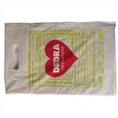

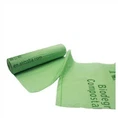
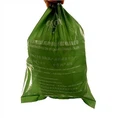
In the modern era, environmental protection has become a global concern, and the use of biodegradable trash bags has emerged as a sustainable solution to reduce plastic pollution. As a leading supplier of Biodegradable Trash Bag, I have witnessed the growing demand for these eco-friendly alternatives. However, understanding the factors that affect the decomposition rate of biodegradable trash bags is crucial for both consumers and suppliers to make informed decisions.
Material Composition
The material composition of biodegradable trash bags plays a significant role in determining their decomposition rate. Different materials have varying chemical structures and properties, which influence how they break down in the environment.
Polylactic Acid (PLA)
PLA is a common material used in biodegradable trash bags. It is derived from renewable resources such as corn starch or sugarcane. PLA has a relatively fast decomposition rate under specific conditions, typically in industrial composting facilities where high temperatures and controlled environments are maintained. However, in natural environments like soil or water, the decomposition of PLA can be slower due to the lack of optimal conditions.


Starch-Based Materials
Starch-based materials are another popular choice for biodegradable trash bags. These materials are often blended with other polymers to improve their mechanical properties. Starch is a natural polymer that can be easily broken down by microorganisms. However, the decomposition rate of starch-based bags can be affected by factors such as the type of starch used, the presence of additives, and the environmental conditions.
Other Biopolymers
In addition to PLA and starch-based materials, there are other biopolymers used in biodegradable trash bags, such as polyhydroxyalkanoates (PHA) and polycaprolactone (PCL). These biopolymers have different chemical structures and properties, which result in varying decomposition rates. PHA, for example, is a biodegradable polyester produced by microorganisms. It has excellent biodegradability in both aerobic and anaerobic environments. On the other hand, PCL is a synthetic biodegradable polymer that has a slower decomposition rate compared to some other biopolymers.
Environmental Conditions
The environmental conditions in which biodegradable trash bags are disposed of have a significant impact on their decomposition rate. Different environments provide different levels of oxygen, moisture, temperature, and microbial activity, all of which affect the breakdown process.
Aerobic vs. Anaerobic Conditions
Aerobic decomposition occurs in the presence of oxygen, while anaerobic decomposition occurs in the absence of oxygen. Biodegradable trash bags generally decompose faster under aerobic conditions because oxygen is required for the growth and activity of many microorganisms. In anaerobic environments, such as landfills, the decomposition rate can be slower due to the limited availability of oxygen. However, some biodegradable materials can still decompose anaerobically, although the process may take longer.
Temperature
Temperature is a critical factor in the decomposition of biodegradable trash bags. Microorganisms are more active at higher temperatures, which can accelerate the decomposition process. In industrial composting facilities, temperatures can reach up to 60-70°C, which promotes rapid decomposition. In natural environments, the decomposition rate is influenced by the ambient temperature. For example, in tropical regions with higher average temperatures, biodegradable trash bags may decompose faster than in colder regions.
Moisture
Moisture is essential for the growth and activity of microorganisms. Biodegradable trash bags require a certain level of moisture to decompose effectively. If the environment is too dry, the microorganisms may become dormant, and the decomposition process will slow down. On the other hand, if the environment is too wet, it can lead to the formation of anaerobic conditions, which may also affect the decomposition rate.
Microbial Activity
Microorganisms, such as bacteria and fungi, play a crucial role in the decomposition of biodegradable trash bags. These microorganisms break down the organic materials in the bags into simpler compounds. The presence and activity of microorganisms depend on the environmental conditions and the availability of nutrients. In environments with a high population of microorganisms, such as soil or compost, the decomposition rate is generally faster.
Thickness and Design
The thickness and design of biodegradable trash bags can also affect their decomposition rate. Thicker bags may take longer to decompose because it takes more time for the microorganisms to penetrate and break down the material. Additionally, the design of the bag, such as the presence of seams or closures, can influence the access of microorganisms to the interior of the bag.
Additives and Fillers
Some biodegradable trash bags may contain additives and fillers to improve their performance or reduce costs. These additives and fillers can have an impact on the decomposition rate. For example, some additives may inhibit the growth of microorganisms, while others may enhance the biodegradability of the material. It is important to choose biodegradable trash bags that are free from harmful additives and fillers to ensure optimal decomposition.
Implications for Consumers and Suppliers
Understanding the factors that affect the decomposition rate of biodegradable trash bags is essential for both consumers and suppliers. Consumers should be aware of the environmental conditions in which they dispose of the bags and choose the appropriate type of biodegradable bag based on their needs. For example, if the bags will be disposed of in a home composting system, it is important to choose bags that are suitable for home composting. Suppliers, on the other hand, should provide clear information about the decomposition requirements of their products and ensure that the bags meet the relevant standards and certifications.
As a supplier of Biodegradable Trash Bag, we are committed to providing high-quality products that are not only environmentally friendly but also meet the needs of our customers. Our Eco Friendly Biodegradable Compostable Corn Starch Disposable Scented Unscented Green Doggie Dog Waste Poop Bags and Protection Biodegradable Garbage Bag Non-plastic Vest Garbage Bags For Household Wholesale are designed to decompose effectively under various environmental conditions.
If you are interested in purchasing our biodegradable trash bags or have any questions about our products, please feel free to contact us for procurement discussions. We look forward to working with you to contribute to a more sustainable future.
References
- ASTM International. (2023). Standard Test Methods for Determining Aerobic Biodegradation of Plastic Materials in Soil. ASTM D5988-18.
- European Committee for Standardization. (2013). EN 13432:2000 Packaging - Requirements for packaging recoverable through composting and biodegradation - Test scheme and evaluation criteria for the final acceptance of packaging.
- International Organization for Standardization. (2021). ISO 14855-1:2012 Plastics - Determination of the ultimate aerobic biodegradability and disintegration under controlled composting conditions - Part 1: General method.