



Hey there! As a supplier of Die Cut Bags, I often get asked about the difference between die cut bags and regular bags. Well, let's dive right in and break it down!
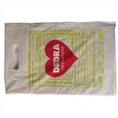
First off, what are die cut bags? Die cut bags, as the name suggests, are bags that are cut using a die - a specialized tool. You can check out our Die Cut Bags on our website to get a better idea. These bags are custom - shaped according to the design of the die. This means they can have unique handles, curves, or openings that regular bags just don't have.
Let's start with the appearance. Die cut bags are way more eye - catching than regular bags. Regular bags usually have a simple, standard rectangular shape with a basic handle. They're kind of the plain Jane of the bag world. On the other hand, die cut bags can be designed to stand out. For example, they can have heart - shaped handles or a wavy edge, which makes them perfect for special occasions or high - end products. If you're a business looking to make a statement, die cut bags are a great option. They'll make your brand look more unique and memorable.
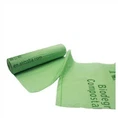
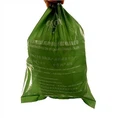
Now, let's talk about functionality. Die cut bags are often more functional than regular bags. Take our Compostable Die - cut Shopping Bag for instance. These bags are not only eco - friendly but also designed with functionality in mind. The die - cut handles are comfortable to hold, making it easier for customers to carry their purchases. In contrast, regular bags might have handles that are too thin or uncomfortable, which can lead to a less pleasant shopping experience for your customers.
Another big difference is in the manufacturing process. Making die cut bags requires a bit more work. You need to create a custom die first, which can be time - consuming and a bit pricey. But the end result is worth it, especially if you're going for a high - quality, unique product. Regular bags, on the other hand, are mass - produced using standard molds and processes. This makes them quicker and cheaper to produce, but you sacrifice the uniqueness factor.
When it comes to material, both die cut bags and regular bags can be made from a variety of materials. However, die cut bags offer more flexibility. You can use different types of plastics, papers, or even biodegradable materials. This allows you to choose the material that best suits your product and your brand's values. Regular bags are often limited to more common materials like simple plastic or basic paper.
In terms of cost, regular bags are generally cheaper. This is because of the simpler manufacturing process and the use of standard materials. But if you're willing to invest a bit more, die cut bags can bring a lot more value to your business. They can attract more customers, enhance your brand image, and even justify a higher price for your products.
Let's also consider the environmental impact. As a supplier, I'm really into eco - friendly options. Die cut bags can be made from compostable or biodegradable materials, which is a huge plus. Our compostable die - cut shopping bags break down naturally over time, reducing waste in landfills. Regular bags, especially those made from traditional plastics, can take hundreds of years to decompose. So, if you're an environmentally - conscious business, die cut bags are the way to go.
Now, how do these differences translate into real - world use? For retailers, die cut bags can be a game - changer. Imagine you're selling high - end jewelry. A regular plastic bag just won't cut it. A die cut bag with a beautiful shape and a luxurious finish will make your product look even more valuable. Customers will feel like they're getting a premium experience, and they'll be more likely to come back.
For events, die cut bags are also a great choice. Whether it's a wedding, a corporate event, or a festival, custom - shaped die cut bags can add a special touch. You can print your event logo or theme on the bags, making them a great promotional item. Regular bags, on the other hand, might blend in and not make much of an impression.
If you're in the food industry, die cut bags can be designed to keep your food fresh and safe. They can have special compartments or seals to prevent spills and leaks. Regular bags might not offer these features, which can be a problem when dealing with food products.


So, in conclusion, die cut bags and regular bags have some significant differences. Die cut bags are more unique, functional, and environmentally friendly. They might cost a bit more, but they offer a lot of benefits for businesses. Regular bags are cheaper and more basic, which can be suitable for some situations.
If you're interested in learning more about our die cut bags or if you want to discuss a custom design for your business, I'd love to hear from you. Just reach out to us and we can start a conversation about how our die cut bags can meet your needs.
References
General knowledge about bag manufacturing and retail trends.