



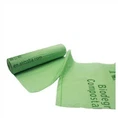

In the quest for a more sustainable future, biodegradable bin liners have emerged as a popular alternative to traditional plastic counterparts. As a supplier of Biodegradable Bin Liners, I have witnessed firsthand the growing demand for eco - friendly waste management solutions. However, it's crucial to understand the environmental impact of producing these seemingly green products.
The Basics of Biodegradable Bin Liners
Biodegradable bin liners are designed to break down naturally over time through the action of microorganisms such as bacteria, fungi, and algae. Unlike conventional plastic bin liners, which can persist in the environment for hundreds of years, biodegradable liners aim to reduce long - term waste accumulation. They are typically made from renewable resources such as corn starch, vegetable oils, or other plant - based materials.
Positive Environmental Impacts of Production
Renewable Resource Utilization
One of the most significant positive impacts of producing biodegradable bin liners is the use of renewable resources. Traditional plastic is derived from fossil fuels, which are finite and non - renewable. In contrast, biodegradable liners often use plant - based materials that can be replenished through sustainable farming practices. For example, corn starch is a common raw material for many biodegradable bin liners. Corn is a widely grown crop, and its cultivation can be managed in an environmentally friendly way, with proper crop rotation and reduced use of pesticides and fertilizers.
Reduced Greenhouse Gas Emissions
The production of biodegradable bin liners generally results in lower greenhouse gas emissions compared to traditional plastic bin liners. When fossil fuels are extracted, refined, and processed into plastic, large amounts of carbon dioxide and other greenhouse gases are released into the atmosphere. In the case of biodegradable liners made from plant - based materials, the plants absorb carbon dioxide during their growth, acting as a carbon sink. Although some energy is still required for the processing of these plant materials into bin liners, the overall carbon footprint is often smaller.
Less Persistent Waste
Since biodegradable bin liners break down naturally, they do not contribute to the long - term accumulation of waste in landfills, oceans, or other natural environments. This is a major advantage over traditional plastic bin liners, which can take hundreds of years to decompose. When biodegradable liners end up in landfills, they can be broken down by microorganisms, reducing the volume of waste and potentially minimizing the environmental impact associated with landfill expansion.
Negative Environmental Impacts of Production
Land Use and Agricultural Intensification
While the use of plant - based materials for biodegradable bin liners has its benefits, it also raises concerns about land use. As the demand for biodegradable bin liners increases, more land may be needed for the cultivation of the raw materials. This could lead to deforestation or the conversion of natural habitats into agricultural land, which can have a negative impact on biodiversity. Additionally, large - scale monoculture farming of crops like corn for biodegradable liner production may require significant amounts of water, pesticides, and fertilizers, which can pollute water sources and harm local ecosystems.
Energy Consumption in Processing
The production of biodegradable bin liners still requires energy for processing the raw materials into usable products. From harvesting the plants to refining the materials and manufacturing the bin liners, various energy - intensive steps are involved. In some cases, if the energy used in the production process comes from non - renewable sources such as coal or natural gas, the environmental benefits of biodegradable liners may be partially offset.
Lack of Standardization and Misleading Labels
The biodegradable bin liner market is not always well - regulated, and there is a lack of standardization in the definition of "biodegradable." Some products may claim to be biodegradable, but in reality, they may only break down under specific conditions, such as in industrial composting facilities. If these liners end up in regular landfills or natural environments where the necessary conditions for decomposition are not met, they may not break down as expected. This can lead to consumer confusion and false expectations about the environmental benefits of these products.
Factors Affecting the Environmental Impact
Production Scale
The scale of production can have a significant impact on the environmental footprint of biodegradable bin liners. Large - scale production may benefit from economies of scale, allowing for more efficient use of resources and energy. However, it may also lead to more intensive land use and higher overall resource consumption. Small - scale production, on the other hand, may be more flexible and able to use local, sustainable resources, but it may lack the efficiency of large - scale operations.
End - of - Life Management
The environmental impact of biodegradable bin liners also depends on how they are managed at the end of their life. If they are sent to industrial composting facilities, where the conditions are optimized for decomposition, they can break down quickly and contribute to the production of nutrient - rich compost. However, if they end up in regular landfills or are littered in the environment, their decomposition may be slower or incomplete.
Our Role as a Supplier
As a supplier of Biodegradable Bin Liners, we are committed to minimizing the environmental impact of our products. We source our raw materials from sustainable suppliers who follow strict environmental standards. We are constantly looking for ways to improve our production processes to reduce energy consumption and waste generation. For example, we are exploring the use of renewable energy sources such as solar and wind power in our manufacturing facilities.


We also take steps to educate our customers about the proper use and disposal of our biodegradable bin liners. We provide clear instructions on our product packaging and on our website about the best practices for end - of - life management. By promoting responsible consumption and disposal, we hope to maximize the environmental benefits of our biodegradable bin liners.
Conclusion
The production of biodegradable bin liners has both positive and negative environmental impacts. On one hand, they offer significant advantages in terms of renewable resource utilization, reduced greenhouse gas emissions, and less persistent waste. On the other hand, concerns about land use, energy consumption, and lack of standardization need to be addressed. As a supplier, we are aware of these challenges and are taking proactive steps to mitigate the negative impacts while promoting the positive ones.
If you are interested in purchasing high - quality, environmentally friendly Biodegradable Bin Liners, Eco Garbage Bag, or Biodegradable Natural Bin Liner, please feel free to reach out to us for more information and to discuss your procurement needs. We are ready to work with you to find the best waste management solutions for your business or household.
References
- European Bioplastics. (2020). Bioplastics Market Data.
- United Nations Environment Programme. (2019). Single - Use Plastics: A Roadmap for Sustainability.
- Environmental Protection Agency. (2021). Waste Reduction and Recycling.