


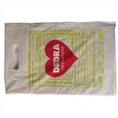

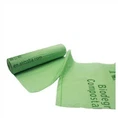
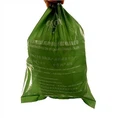
Hey there! As a supplier of PLA garbage bags, I often get asked about the weight capacity of these eco - friendly alternatives. In this blog, I'll break down everything you need to know about the weight capacity of PLA garbage bags and why it matters.


First off, let's understand what PLA is. PLA stands for Polylactic Acid, which is a biodegradable and compostable thermoplastic derived from renewable resources like corn starch or sugarcane. It's a great option for those looking to reduce their environmental impact. Our PLA garbage bags are designed to be tough and reliable, just like traditional plastic bags, but with the added benefit of being eco - friendly.
Now, onto the weight capacity. The weight capacity of our PLA garbage bags can vary depending on a few factors. One of the main factors is the thickness of the bag. Thicker bags generally have a higher weight capacity. We offer a range of PLA garbage bags with different thicknesses to suit various needs. For example, our thinner bags, which are around 15 - 20 microns, are great for light - duty tasks like collecting paper waste, dry leaves, or small amounts of packaging materials. These bags can typically hold up to 5 - 10 pounds of weight.
On the other hand, our thicker PLA garbage bags, which can be 30 - 40 microns or more, are designed for heavier loads. They can handle wet waste, heavy food scraps, or even some small household items. These heavy - duty bags can usually hold anywhere from 20 - 30 pounds of weight. That's pretty impressive considering they're made from a biodegradable material!
Another factor that affects the weight capacity is the size of the bag. Larger bags can generally hold more weight, but it also depends on how well the bag is constructed. Our larger PLA garbage bags, such as the ones with a capacity of 30 - 50 gallons, are reinforced at the seams to ensure they can handle the weight without tearing. For instance, a 30 - gallon heavy - duty PLA garbage bag can hold up to 25 pounds of waste, while a 50 - gallon bag can manage around 30 pounds.
It's important to note that the weight capacity can also be influenced by the type of waste. Sharp or jagged objects can puncture the bag more easily, reducing its ability to hold weight. So, if you're dealing with items like broken glass or sharp metal, it's a good idea to use additional protection or choose a thicker bag.
Why does the weight capacity matter? Well, for one, it ensures that the bag can safely contain the waste without leaking or breaking. This is crucial for both the environment and for keeping your home or workplace clean. If a bag breaks due to over - loading, it can lead to a mess and potential contamination.
Moreover, understanding the weight capacity helps you choose the right bag for the job. You don't want to use a thin, light - duty bag for heavy waste, as it's likely to tear. And on the flip side, using a heavy - duty bag for light waste might be overkill and more expensive.
Now, let's talk about some of our products. We offer a wide range of Compostable Food Waste Bags. These are perfect for collecting food scraps, which can be quite heavy when wet. They're designed with a high - strength material to handle the weight and prevent leaks. Our Eco Friendly Garbage Bags come in various sizes and thicknesses, so you can find the right one for your specific needs. Whether you need a small bag for your office trash can or a large one for your outdoor waste bin, we've got you covered. And if you're looking for something a bit more convenient, our Compostable Bin Liners with Box are a great option. They come neatly packed in a box, and the liners are easy to tear off and use.
In addition to the weight capacity, our PLA garbage bags have other great features. They're fully compostable, which means they'll break down in a composting environment within a few months. This is a huge advantage over traditional plastic bags, which can take hundreds of years to decompose. They're also non - toxic and don't release harmful chemicals into the environment.
When it comes to using our PLA garbage bags, here are some tips to get the most out of them. First, make sure to distribute the weight evenly inside the bag. Don't pile all the heavy items in one corner, as this can put extra stress on the bag and increase the risk of tearing. Second, if you're dealing with wet waste, try to squeeze out as much air as possible before tying the bag. This will make the bag more compact and reduce the chance of leaks.
If you're in the market for high - quality PLA garbage bags, we're here to help. Whether you're a homeowner looking to reduce your environmental footprint, a business owner aiming for a more sustainable waste management solution, or a municipality planning an eco - friendly initiative, we have the products to meet your needs. Our team is always ready to answer any questions you might have about our products, including the weight capacity and how to use them effectively.
So, if you're interested in learning more or placing an order, don't hesitate to get in touch. We're committed to providing you with the best eco - friendly garbage bags on the market, and we're looking forward to working with you to make our planet a greener place.
References
- "Biodegradable Polymers: Principles and Applications" by Aji P. Mathew, Sabu Thomas, and Sabu Joseph
- "Plastic Waste Management: An Overview" by various authors in environmental science journals