


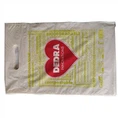

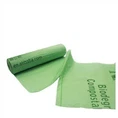

As a supplier of garbage bags, I often get asked about the materials used to make these essential household and commercial items. Garbage bags come in various types, each made from different materials, depending on their intended use, durability requirements, and environmental impact. In this blog post, I'll delve into the common materials used in garbage bag production, highlighting their features, benefits, and drawbacks.
Polyethylene (PE)
Polyethylene is by far the most widely used material for garbage bags. It's a thermoplastic polymer derived from petroleum or natural gas and is known for its versatility, durability, and cost - effectiveness. There are three main types of polyethylene used in garbage bag manufacturing:
Low - Density Polyethylene (LDPE)
LDPE is a flexible and stretchy material, making it ideal for thinner, more lightweight garbage bags. These bags are often used for lining small trash cans in bathrooms, bedrooms, or offices. LDPE garbage bags are easy to tear open and tie shut, and they can stretch to accommodate a reasonable amount of waste without breaking. However, they are not as strong as other types of polyethylene, so they may not be suitable for heavy or sharp objects.
High - Density Polyethylene (HDPE)
HDPE is a stronger and more rigid material compared to LDPE. Garbage bags made from HDPE are thicker and more puncture - resistant, making them suitable for heavier loads and sharp objects. They are commonly used for outdoor trash cans, industrial waste disposal, and in commercial settings. HDPE bags are also more environmentally friendly than some other plastics because they require less material to achieve the same strength, reducing the overall amount of plastic waste.
Linear Low - Density Polyethylene (LLDPE)
LLDPE combines the best of both worlds, offering the flexibility of LDPE and the strength of HDPE. Garbage bags made from LLDPE are highly resistant to tearing and punctures, and they can stretch to a greater extent than HDPE bags. This makes them suitable for a wide range of applications, from household trash to commercial waste management. LLDPE bags are also more cost - effective than some other high - performance plastics, making them a popular choice among consumers and businesses alike.
Biodegradable and Compostable Materials
With growing environmental concerns, there has been an increasing demand for biodegradable and compostable garbage bags. These bags are designed to break down naturally over time, reducing the amount of plastic waste in landfills.
Polylactic Acid (PLA)
PLA is a biodegradable thermoplastic derived from renewable resources such as corn starch or sugarcane. Garbage bags made from PLA are compostable in industrial composting facilities, where they can break down into carbon dioxide, water, and biomass within a few months. PLA bags are a popular choice for eco - conscious consumers and businesses looking to reduce their environmental impact. However, it's important to note that PLA bags require specific conditions to break down, so they may not biodegrade in home composting systems or landfills. For more information on eco - friendly options, you can visit Eco Friendly Garbage Bags.
Starch - Based Polymers
Starch - based polymers are another type of biodegradable material used in garbage bag production. These polymers are made from natural starches, such as potato or tapioca starch, and are often blended with other polymers to improve their strength and performance. Garbage bags made from starch - based polymers are compostable and can break down in both industrial and home composting systems. They are a sustainable alternative to traditional plastic bags, but they may be more expensive and less widely available. If you're interested in compostable options, check out Compostable Bin Liners.
Other Materials
In addition to polyethylene and biodegradable materials, there are a few other materials that are sometimes used in garbage bag production.
Recycled Plastics
Recycled plastics are an environmentally friendly option for garbage bag manufacturing. These plastics are made from post - consumer or post - industrial waste, reducing the demand for virgin plastic and diverting waste from landfills. Garbage bags made from recycled plastics can have similar properties to those made from virgin plastics, but the quality may vary depending on the source and processing of the recycled material.
Paper
Paper garbage bags are a less common option but are sometimes used for specific applications, such as collecting paper waste or for use in composting. Paper bags are biodegradable and can be recycled, but they are not as strong or waterproof as plastic bags. They are typically used for lighter loads and in situations where moisture is not a concern.


Choosing the Right Garbage Bag Material
When choosing a garbage bag, it's important to consider the following factors:
- Type of Waste: Different materials are suitable for different types of waste. For example, HDPE or LLDPE bags are best for heavy or sharp objects, while LDPE bags are sufficient for lightweight household trash.
- Environmental Impact: If you're concerned about the environment, consider using biodegradable or compostable bags, or bags made from recycled materials.
- Cost: Biodegradable and compostable bags are often more expensive than traditional plastic bags. Consider your budget when making a decision.
- Application: The intended use of the garbage bag, whether it's for household, commercial, or industrial purposes, will also influence your choice of material.
Our Product Range
As a garbage bag supplier, we offer a wide range of garbage bags made from different materials to meet the diverse needs of our customers. Our product range includes:
- Garbage Bags On Roll: These convenient bags are available in various sizes and materials, including LDPE, HDPE, and LLDPE. They are easy to use and can be quickly dispensed from a roll. You can find more details about our roll - based garbage bags at Garbage Bags On Roll.
- Biodegradable and Compostable Bags: We offer a selection of biodegradable and compostable garbage bags made from materials such as PLA and starch - based polymers. These bags are an eco - friendly alternative to traditional plastic bags.
- Heavy - Duty Bags: Our heavy - duty garbage bags are made from HDPE or LLDPE and are designed to withstand heavy loads and sharp objects. They are suitable for industrial and commercial waste disposal.
Conclusion
The materials used to make garbage bags vary widely, each with its own set of features, benefits, and drawbacks. Whether you're looking for a traditional plastic bag for everyday use or an eco - friendly option to reduce your environmental impact, there is a garbage bag material that will meet your needs. As a garbage bag supplier, we are committed to providing high - quality products that are both functional and sustainable. If you're interested in learning more about our garbage bag products or would like to discuss your specific requirements, please feel free to reach out for a procurement discussion.
References
- "Plastics for Packaging: Properties, Processing, Applications, and Regulations" by Rosato, David V., et al.
- "Biodegradable Polymers and Sustainable Composites: Processing, Properties and Applications" by Mohanty, Amar K., et al.