



Hey there! As a supplier of Biodegradable Waste Bags, I often get asked if these bags can be used for home composting. It's a great question, and one that I'm more than happy to dive into.
First off, let's talk about what biodegradable waste bags are. These are bags designed to break down over time through natural processes. They're made from materials that can be decomposed by microorganisms, unlike traditional plastic bags that can take hundreds of years to break down and often end up polluting our environment.
Now, the big question: Can they be used for composting at home? The short answer is, it depends.
Understanding Composting
Before we decide if biodegradable waste bags are suitable for home composting, let's quickly go over how composting works. Composting is a natural process that turns organic waste, like food scraps, yard trimmings, and leaves, into a nutrient - rich soil amendment. There are two main types of composting: aerobic and anaerobic.
Aerobic composting is the most common method for home composting. It requires oxygen, and microorganisms break down the organic matter in the presence of air. This process is relatively fast and produces a nice, crumbly compost. Anaerobic composting, on the other hand, happens in the absence of oxygen and is a slower process that can produce unpleasant odors.
Types of Biodegradable Waste Bags
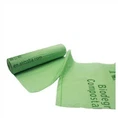
There are different types of biodegradable waste bags on the market. Some of the popular ones include Biodegradable Cornstarch Bags. These bags are made from cornstarch, a renewable resource. Cornstarch bags are generally considered a good option for composting because they can break down relatively quickly under the right conditions.
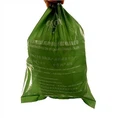
Another type is Eco Friendly Garbage Bags. These can be made from a variety of materials, such as plant - based polymers or recycled plastics. The compostability of these bags depends on their specific composition. Some eco - friendly garbage bags are designed to be composted in industrial composting facilities, while others can be used for home composting.


Compostable Food Waste Bags are specifically designed to hold food waste and then be composted along with the waste. These bags are usually made from materials that are known to break down easily in a composting environment.
Factors Affecting Compostability at Home
Several factors determine whether biodegradable waste bags can be successfully composted at home.
Temperature
Composting is a biological process, and temperature plays a crucial role. Microorganisms that break down the organic matter are most active in a certain temperature range. For aerobic composting, the ideal temperature is between 110°F and 160°F (43°C - 71°C). If the temperature in your compost pile is too low, the decomposition process will be slow, and the bags may not break down as quickly as expected.
Moisture
Moisture is also essential. The compost pile should be moist, but not too wet. If it's too dry, the microorganisms won't be able to function properly. If it's too wet, there won't be enough oxygen in the pile, and it may start to smell bad. Biodegradable waste bags need the right amount of moisture to break down.
Oxygen
As mentioned earlier, aerobic composting requires oxygen. You need to make sure that your compost pile is well - aerated. Turning the compost pile regularly helps to introduce oxygen and speeds up the decomposition process. If there's not enough oxygen, the bags may not break down completely.
Bag Thickness and Composition
The thickness of the biodegradable waste bag matters. Thicker bags will take longer to break down. Also, the composition of the bag affects its compostability. Some bags may have additives or coatings that can slow down the decomposition process.
Tips for Composting Biodegradable Waste Bags at Home
If you want to try composting biodegradable waste bags at home, here are some tips:
- Choose the right bags: Look for bags that are labeled as "home compostable." These bags are designed to break down in a home composting environment.
- Cut the bags into smaller pieces: This will increase the surface area of the bag and speed up the decomposition process.
- Mix with other organic materials: Combine the bags with food scraps, yard waste, and other organic materials. This helps to create a balanced compost pile.
- Monitor the compost pile: Keep an eye on the temperature, moisture, and oxygen levels in the compost pile. Make adjustments as needed to ensure optimal decomposition.
The Benefits of Using Biodegradable Waste Bags for Home Composting
Using biodegradable waste bags for home composting has several benefits.
Environmental Impact
By using these bags, you're reducing the amount of plastic waste that ends up in landfills. Traditional plastic bags can take hundreds of years to break down, and they often release harmful chemicals into the environment. Biodegradable waste bags break down naturally, which is much better for the planet.
Convenience
These bags make it easier to collect and transport food waste and other organic materials to your compost pile. You don't have to worry about the waste spilling or making a mess.
Nutrient - rich Compost
When the bags break down in the compost pile, they add organic matter to the compost. This helps to create a nutrient - rich soil amendment that can be used in your garden to improve soil fertility and plant growth.
Conclusion
So, can biodegradable waste bags be used for composting at home? The answer is yes, but with some caveats. You need to choose the right bags, create the right conditions in your compost pile, and monitor the process. As a supplier of Biodegradable Waste Bags, I'm always here to help you make the best choice for your home composting needs.
If you're interested in purchasing our high - quality biodegradable waste bags for your home composting projects, I'd love to have a chat with you. Reach out to start a conversation about your requirements, and let's work together to make your composting experience more eco - friendly and efficient.
References
- Composting Basics. University of Minnesota Extension.
- Biodegradable and Compostable Plastics. Environmental Protection Agency.