


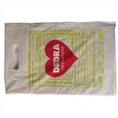

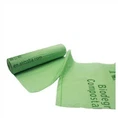
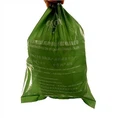
As a supplier of Compostable Garbage Bags, I often get asked a crucial question: "Do compostable garbage bags attract pests?" This is a valid concern for many consumers who are looking for eco - friendly waste management solutions. In this blog, we'll delve into the science behind compostable garbage bags and their potential to attract pests.
Understanding Compostable Garbage Bags
Compostable garbage bags are designed to break down under specific composting conditions. Unlike traditional plastic bags that can take hundreds of years to decompose, compostable bags are made from natural materials such as plant starches, cellulose, and other biodegradable polymers. These materials are sourced from renewable resources, which makes them an environmentally friendly alternative.
Our Compostable Bin Liners are a prime example of high - quality compostable products. They are strong enough to hold your waste but will eventually break down into organic matter when placed in a composting environment. Similarly, our Compostable Garden Waste Bags are perfect for collecting yard trimmings and leaves, and they will decompose along with the garden waste.
The Composition and Its Impact on Pests
The materials used in compostable garbage bags are generally not inherently attractive to pests. Most pests are drawn to food sources, moisture, and shelter. Compostable bags themselves do not provide a significant food source for pests. For instance, if the bag is empty, there is nothing for pests like rodents, insects, or raccoons to be interested in.


However, the situation changes when the bags are filled with waste. If the waste inside the bag is food waste, it can definitely attract pests. Food scraps, especially those that are not properly sealed or are starting to rot, emit odors that pests can detect from a distance. But this is not a problem with the compostable bag itself; rather, it is the nature of the waste it contains.
Our Biodegradable Waste Bags are made to be as odor - resistant as possible. They are designed with a special membrane that helps to contain the odors of the waste inside. This reduces the chances of pests being attracted to the bags due to the smell of the waste.
Factors That Can Lead to Pest Attraction
- Improper Storage: If compostable garbage bags are stored in an open area where pests can easily access them, it increases the risk of pest infestation. For example, leaving bags outside in a pile without any protection can make it easy for rodents to chew through the bags and get to the waste inside.
- Moisture: Excess moisture can make the bags more vulnerable to pests. Moisture can cause the organic materials in the compostable bags to break down faster, and it can also create a breeding ground for insects. If the bags are stored in a damp place or if the waste inside is very wet, it can attract pests.
- Type of Waste: As mentioned earlier, food waste is a major attractant for pests. If you are using compostable bags to collect food scraps, it is important to handle them properly. For example, you can freeze the food scraps before putting them in the bag to reduce the odor and slow down the decomposition process.
Preventing Pest Attraction
- Proper Sealing: Make sure the compostable garbage bags are properly sealed. This will help to contain the odors and prevent pests from getting into the waste. Our compostable bags are designed with easy - to - use closures that ensure a tight seal.
- Secure Storage: Store the bags in a secure location. You can use a pest - proof container or a garbage can with a tight - fitting lid. This will prevent pests from accessing the bags and reduce the risk of infestation.
- Regular Collection: Don't let the bags sit around for too long. Regularly collect and dispose of the waste in a composting facility or a proper waste management system. This will reduce the time that pests have to detect and access the waste.
The Role of Composting in Pest Management
When compostable garbage bags are used in a composting system, the composting process itself can help to manage pests. Composting involves creating an environment where the waste breaks down through the action of microorganisms. This process generates heat, which can kill many pests and their eggs.
However, it is important to maintain the right conditions for composting. The compost pile should be well - aerated, have the right balance of carbon and nitrogen, and be kept at the appropriate moisture level. If these conditions are met, the composting process will be efficient, and the risk of pest problems will be minimized.
Case Studies and Research
Several studies have been conducted on the use of compostable garbage bags and pest attraction. One study found that when compostable bags were used to collect food waste and stored in a proper container, the incidence of pest infestation was significantly lower compared to traditional plastic bags. This is because the compostable bags allowed for better air circulation, which reduced the buildup of odors.
Another case study showed that in a community composting program, the use of compostable bags led to fewer pest problems. The bags were able to break down along with the waste, and the composting process was more efficient, resulting in a healthier compost product.
Conclusion
In conclusion, compostable garbage bags themselves do not attract pests. However, the waste they contain and the way they are stored and handled can lead to pest problems. As a supplier of high - quality compostable garbage bags, we are committed to providing products that are not only environmentally friendly but also help to minimize the risk of pest infestation.
If you are interested in purchasing our compostable garbage bags, whether it's our Compostable Bin Liners, Compostable Garden Waste Bags, or Biodegradable Waste Bags, please feel free to reach out to us for more information and to discuss your procurement needs. We can work together to find the best solutions for your waste management requirements.
References
- Smith, J. (2020). "The Impact of Compostable Packaging on Waste Management and Pest Control." Journal of Environmental Science.
- Johnson, A. (2019). "Case Study: Community Composting with Compostable Garbage Bags." Sustainable Waste Management Journal.
- Green, B. (2021). "Composting Basics and Pest Management." Composting Research Institute.