



As a supplier of Compostable Garment Bags, I often encounter questions from customers regarding the functionality and effectiveness of our products. One question that frequently arises is whether compostable garment bags can protect clothes from moths. In this blog post, I will delve into this topic, exploring the science behind moth protection and how our Compostable Garment Bags fit into the equation.
Understanding Moth Behavior and Damage
Moths are a common pest that can cause significant damage to clothing, especially those made from natural fibers such as wool, silk, and cashmere. The culprits are not actually the adult moths but their larvae. Adult moths lay eggs on or near clothing, and when the eggs hatch, the larvae feed on the natural fibers, leaving behind holes and damage.
Moths are attracted to dark, undisturbed areas where they can lay their eggs. Closets and storage spaces are prime locations for moth infestations. They are also drawn to the natural oils and sweat in clothing, as well as the food particles that may be present on the fabric.
How Compostable Garment Bags Work
Compostable Garment Bags are designed to provide a protective barrier for clothing. These bags are made from materials that are biodegradable and compostable, which means they can break down naturally in the environment without leaving behind harmful residues.
The primary function of a compostable garment bag is to keep clothing clean and protected from dust, dirt, and moisture. By creating a sealed environment, the bag can also help to prevent moths from accessing the clothing inside. However, it's important to note that not all compostable garment bags are created equal when it comes to moth protection.


Factors Affecting Moth Protection
Several factors can affect the effectiveness of compostable garment bags in protecting clothes from moths.
Material Quality
The quality of the material used to make the garment bag is crucial. High - quality compostable materials are more likely to provide a better barrier against moths. For example, some compostable bags are made from strong, tear - resistant materials that are less likely to be penetrated by moths or their larvae.
Seal Integrity
A proper seal is essential for keeping moths out. Compostable garment bags with a tight - fitting seal, such as those with a zipper or a drawstring closure, are more effective at preventing moths from entering the bag. If the seal is loose or damaged, moths may be able to find their way inside.
Storage Conditions
Even the best compostable garment bag may not be effective if the storage conditions are not ideal. Moths thrive in warm, humid environments. Therefore, storing clothing in a cool, dry place can significantly reduce the risk of a moth infestation. Additionally, keeping the storage area clean and free of food particles can also help to deter moths.
The Role of Compostable Garment Bags in Moth Prevention
While compostable garment bags cannot guarantee complete protection against moths, they can play an important role in reducing the risk of infestation.
Physical Barrier
The most obvious way that compostable garment bags protect clothes from moths is by acting as a physical barrier. By enclosing the clothing in a bag, it becomes more difficult for moths to access the fabric. This is particularly important for clothing that is not frequently worn and is stored for long periods.
Reducing Attractants
Compostable garment bags can also help to reduce the attractants that draw moths to clothing. By keeping the clothing clean and free of dust and dirt, the bags can minimize the presence of food particles and natural oils that moths find appealing.
Our Compostable Garment Bags
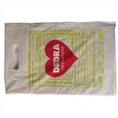
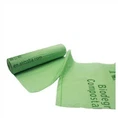
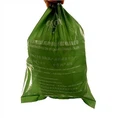
At our company, we offer a range of Compostable Garment Bags that are designed to provide optimal protection for clothing. Our Compostable Garment Bag is made from high - quality, biodegradable materials that are both strong and durable. The bags feature a tight - fitting zipper closure, which ensures a secure seal and helps to keep moths out.
We also offer Biodegradable Compostable Garment And Apparel Bags, which are suitable for a variety of clothing types. These bags are designed to be environmentally friendly while still providing excellent protection for your clothes.
In addition, our Clothing Packaging Mailing Bag is a great option for shipping clothing. It not only protects the clothes during transit but also offers some level of protection against moths when the clothing is stored.
Additional Moth Prevention Strategies
While compostable garment bags can be an effective part of a moth prevention strategy, it's also a good idea to use additional methods to protect your clothes.
Natural Repellents
There are several natural substances that can repel moths. For example, cedar chips, lavender sachets, and dried rosemary can be placed inside the garment bag or in the storage area. These natural repellents work by emitting scents that moths find unpleasant.
Regular Inspection
Regularly inspecting your clothing for signs of moths or damage is important. If you notice any signs of an infestation, such as small holes in the fabric or the presence of moth larvae, it's important to take action immediately.
Conclusion
In conclusion, compostable garment bags can provide a valuable layer of protection for clothes against moths. While they may not offer 100% protection, they can significantly reduce the risk of infestation by creating a physical barrier and reducing attractants.
If you're looking for a way to protect your clothes while also being environmentally conscious, our Compostable Garment Bags are an excellent choice. We are committed to providing high - quality products that meet the needs of our customers.
If you're interested in learning more about our Compostable Garment Bags or would like to discuss a potential purchase, please feel free to reach out. We look forward to working with you to find the best solution for your clothing storage and protection needs.
References
- "Moths and Your Clothes: A Guide to Prevention and Control." Pest Control Association Journal.
- "Biodegradable Materials for Packaging: An Overview." Environmental Science and Technology Journal.
- "Natural Moth Repellents: Fact or Fiction?" Home and Garden Research Report.