




What materials are dog waste poop bags made of?
As a supplier of Dog Waste Poop Bags, I often get asked about the materials used to make these essential products. Dog waste poop bags are a crucial part of responsible pet ownership, allowing us to clean up after our furry friends and keep our communities clean and hygienic. In this blog post, I'll explore the different materials commonly used in dog waste poop bags and their environmental impact.
Traditional Plastic Bags
Traditional plastic dog waste poop bags are typically made from polyethylene, a type of plastic derived from petroleum. Polyethylene is a popular choice for these bags because it is strong, flexible, and resistant to tearing. It also provides a good barrier against odors and moisture, keeping the waste contained and preventing leaks.
However, traditional plastic bags have a significant environmental drawback. They are not biodegradable, which means they can take hundreds of years to break down in the environment. As a result, they contribute to the growing problem of plastic pollution, which has a detrimental impact on wildlife, ecosystems, and human health.
Biodegradable Plastic Bags
To address the environmental concerns associated with traditional plastic bags, many manufacturers now offer biodegradable dog waste poop bags. These bags are made from a type of plastic that is designed to break down more quickly in the environment.
There are two main types of biodegradable plastic: oxo-biodegradable and hydro-biodegradable. Oxo-biodegradable plastics are made by adding a pro-oxidant additive to traditional polyethylene. This additive causes the plastic to break down into smaller pieces when exposed to oxygen and sunlight. Hydro-biodegradable plastics, on the other hand, are made from polymers that can be broken down by water and microorganisms.
While biodegradable plastic bags are a step in the right direction, they are not a perfect solution. They still require specific conditions to break down, such as exposure to sunlight, oxygen, and moisture. In a landfill, where these conditions are often lacking, biodegradable plastic bags may take much longer to decompose. Additionally, some studies have raised concerns about the potential environmental impact of the additives used in biodegradable plastics.
Compostable Bags
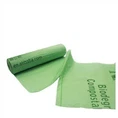
Compostable dog waste poop bags are an even more environmentally friendly alternative to biodegradable plastic bags. These bags are made from natural materials, such as cornstarch, potato starch, or other plant-based polymers, that can be broken down by microorganisms in a composting environment.
Compostable bags offer several advantages over traditional and biodegradable plastic bags. They are completely biodegradable and can be composted along with the dog waste, turning it into nutrient-rich soil. This not only reduces the amount of waste sent to landfills but also provides a sustainable way to manage dog waste.
However, it's important to note that compostable bags require specific conditions to break down properly. They need to be composted in a commercial composting facility, where the temperature, moisture, and oxygen levels are carefully controlled. Home composting may not provide the ideal conditions for compostable bags to break down, so it's important to check the product label for specific instructions.
Other Materials
In addition to plastic and compostable materials, there are also dog waste poop bags made from other materials, such as paper and fabric. Paper bags are a biodegradable option that can be recycled or composted. They are typically made from recycled paper and are a good choice for those looking for a more sustainable alternative.


Fabric bags are another option, although they are less common. These bags are reusable and can be washed and reused multiple times, reducing waste. However, they may not be as convenient as disposable bags and require more effort to clean and maintain.
Conclusion
When choosing dog waste poop bags, it's important to consider the environmental impact of the materials used. Traditional plastic bags are the least environmentally friendly option, while compostable bags are the most sustainable. Biodegradable plastic bags offer a middle ground, but they still have some limitations.
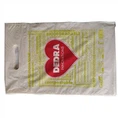
As a supplier of Dog Waste Poop Bags, I am committed to providing my customers with high-quality, environmentally friendly products. I offer a range of Compostable Dog Waste Poop Bags that are made from natural materials and can be composted along with the dog waste. I also offer Custom Printed Doggie Pet Poop Bags that are a great way to promote your business or organization while still being environmentally responsible.
If you're interested in learning more about our products or have any questions, please don't hesitate to contact us. We'd be happy to help you find the right dog waste poop bags for your needs.
References
- American Chemistry Council. (2021). Biodegradable Plastics. Retrieved from https://www.americanchemistry.com/plastics/biodegradable-plastics
- Environmental Protection Agency. (2021). Composting at Home. Retrieved from https://www.epa.gov/recycle/composting-home
- National Resources Defense Council. (2021). Plastic Pollution. Retrieved from https://www.nrdc.org/stories/plastic-pollution
- World Wildlife Fund. (2021). Plastic Pollution and Marine Life. Retrieved from https://www.worldwildlife.org/stories/plastic-pollution-and-marine-life